Flood Safety: How to Prepare and Why You Never Drive Through Water
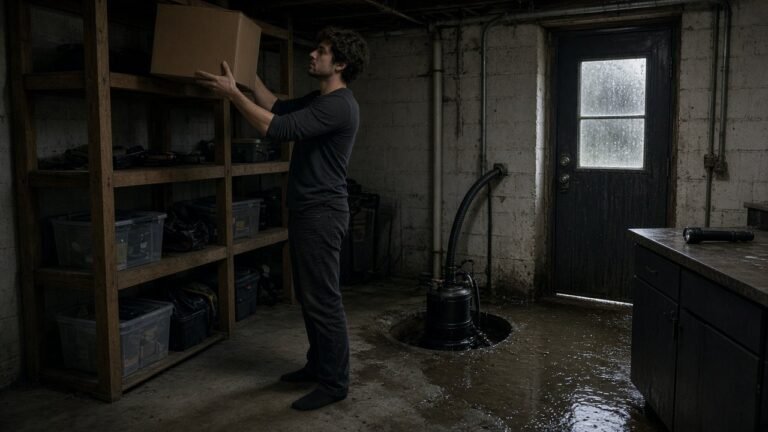
Flood safety based on Ready.gov guidance: know your risk, buy flood insurance early, protect your home, and stay out of flood water in a car or on foot.
How to prepare your home and car for a winter storm: know the alert terms, keep heat and light safe, build a car kit, and recognize hypothermia and frostbite.
How to prepare for an earthquake, what to do when the shaking starts (drop, cover and hold on), and how to stay safe in the hours and days afterward.
A practical hurricane checklist built on Ready.gov guidance: know your zone, plan, protect your home, pack supplies, and stay safe during and after the storm.
How to prepare for tornadoes: watches versus warnings, where to shelter, what to do in cars and mobile homes, and how to recover.
What shelter in place means, when officials tell you to do it, and how to prepare a room, seal it and stay informed.
A step-by-step way to build a family communication plan: contacts, meeting places, out-of-town contacts and what to do when phones fail.
What changes when the power goes out in a tall building: elevators, water pressure, stairwell lighting, and how to plan for each.
What an apartment emergency kit needs, how to fit it in a small space, and where to store each piece so you can find it in the dark.
Quick answer: it depends on the food, the packaging and the storage temperature. The National Center for Home Food Preservation says most home-dried fruit keeps about a year at 60 F and about six months at 80 F, and dried vegetables last about half as long. Commercially packaged freeze-dried food in sealed Mylar bags or…