
Best Prepper Foods to Stockpile: What to Buy and How to Store It
This post may contain affiliate links, full disclosure here.
Quick answer: stockpile shelf-stable foods your household will actually eat and that need little or no cooking: canned meats, fish, vegetables, fruit and soups, nut butters, dry staples such as rice, beans, pasta and oats, crackers, shelf-stable milk, dried fruit and a few comfort foods. Aim for variety and enough calories, store them cool and dry, check cans for damage and rotate by using the oldest first.
Shopping for emergency food can be overwhelming. This guide gives you simple criteria and practical categories rather than a list of brands, since products and prices change often. It draws on the USDA, FDA and Ready.gov for storage and safety, and on extension guidance for dried foods.

What to look for in prepper foods
Variety
Eating the same thing for days is hard on morale and appetite. Mix proteins, grains, fruits, vegetables and a few treats, so people keep eating. Include foods for special diets, allergies, infants and pets. Ready.gov recommends including foods for infants and for family members with special dietary needs.
Servings and calories
Think in calories, not just “number of meals.” Labels use a 2,000-calorie daily reference for adults, but actual needs vary with age, activity and climate. Children usually need less, and people doing heavy physical work or in cold weather may need more. Read the nutrition label, count servings per container and add up the calories to see how long a supply really lasts.
Preparation
In an outage you may have no power, limited fuel and limited water. Prioritize foods you can eat cold or heat simply. Foods that need a lot of water to cook, such as dry beans, are useful but take time and fuel. A manual can opener is essential.
Shelf life
USDA says unopened, shelf-stable high-acid canned foods, such as tomatoes and fruit, keep best quality for 12 to 18 months, and low-acid canned foods, such as meat, poultry, fish and most vegetables, keep for two to five years in a cool, dry place. Dates on cans are generally quality dates, not safety dates. Dry staples last a long time when kept cool, dry and sealed, but quality gradually declines.

Foods worth stockpiling
Canned and pouched proteins
Tuna, salmon, sardines, chicken, ham and beans provide protein and often need no cooking. Pouches are lighter than cans and easier to open.
Canned vegetables, fruit and soup
These add vitamins and water content and can be eaten cold. Look for low-sodium choices if salt is a concern, and keep some juice-packed fruit for easy calories. See our guide to canned foods to stock.
Dry staples
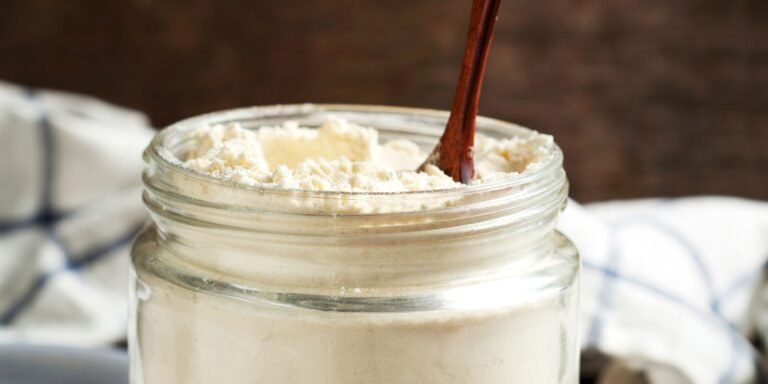
Rice, pasta, oats, dried beans and lentils, flour and cornmeal are cheap and filling. They need water and heat to cook, so store extra water. Our guides cover storing rice, flour and oatmeal.
Nut butters, nuts and energy foods
Peanut butter and other nut butters provide calories and protein and last a long time unopened. Granola bars, trail mix and crackers are quick calories. Watch out for allergies.
Shelf-stable milk and drinks
Shelf-stable boxed milk, powdered milk, juice boxes and drink mixes help with hydration and morale. Caffeinated and alcoholic drinks are not substitutes for water, as Ready.gov notes.
Dried and freeze-dried foods
Dried fruit, jerky and freeze-dried meals are light and compact. Commercial freeze-dried foods are often rated for up to 25 years by manufacturers under ideal storage, while home-dried fruit typically keeps about a year at 60 F per the National Center for Home Food Preservation. See our guide to how long dehydrated food lasts.
Comfort foods
Chocolate, hard candy, tea, coffee, spices and condiments make plain food more appealing and are inexpensive. Keep them sealed and dry.

Foods for babies, older adults and pets
Infant formula has a use-by date set by the manufacturer, and the USDA says not to buy or use formula after that date. Keep enough formula and clean water to mix it for several days, plus bottles and diapers. Older adults and people with medical conditions may need low-sodium, soft or special diet foods. Pet food should be stored in sealed containers, and pets need extra water.

How to store it
- Keep food in a cool, dry, dark place. The USDA says temperatures below 85 F are best for canned goods.
- Do not store canned food above or beside the stove, under the sink or in a damp garage.
- Put boxed and bagged food in tightly closed plastic or metal containers to keep out pests and moisture.
- Discard cans that are bulging, leaking, deeply dented or heavily rusted.
- Label items with the purchase date and use the oldest first.
- Check your supply at least twice a year.

How to rotate your food
The easiest way to avoid waste is to eat what you store. Put new purchases at the back, pull from the front and replace what you use. Plan a pantry meal night each month, built from your stockpile, so you test your recipes and rotate stock at the same time.

How much food do you need?
Ready.gov recommends at least a several-day supply of non-perishable food as a starting point. Many people build toward two weeks or more. Our guides on how much food to stock and the 3-month food supply explain how to scale up. If you are on a tight budget, see prepping on a budget.
An earlier version of this article reviewed specific packaged products, such as nutrition bars, canned pasta, potato flour, almond butter and a packaged tuna meal. We have replaced those with category-level advice because products change, and we may add current, verified recommendations later.

Frequently Asked Questions
What are the best survival foods with the longest shelf life?
Dry staples such as rice, beans and pasta, canned goods, nut butters and commercially packaged freeze-dried food keep well when stored cool and dry. Actual shelf life varies by product and storage conditions.
How do I rotate my food storage?
Label items with dates, store new purchases behind older ones and eat the oldest first. Plan regular pantry meals.
How long does emergency food last?
Canned low-acid foods keep two to five years and high-acid foods 12 to 18 months for best quality, according to the USDA. Dry foods and freeze-dried foods vary by packaging.
How much survival food do I need?
Start with at least several days of food per person, then build to two weeks or more. Count calories on labels, not only servings.
How long does freeze-dried food last?
Manufacturers often claim up to 25 years for commercial products in sealed packaging stored cool and dark, but that is an estimate, not a guarantee.

Bottom line
Choose foods you will eat, that need little preparation and that keep well. Check calories, store them cool and dry, inspect cans and rotate. Build in stages, and pair your food with a solid water supply.






5 Comments
Comments are closed.