Top 20 Barter Items to Stockpile for Emergencies
This post may contain affiliate links, full disclosure here.
Quick answer: the barter items most likely to be useful are the ones people need every day and run out of: clean water supplies, shelf-stable food, basic first aid items, hygiene products, batteries and light, fire starters, fuel and simple tools. Stockpile what you would use yourself first, because barter is a backup, not a plan. Keep your stockpile private, trade safely and know the legal and tax rules.
In a short disruption, cash and stores usually keep working, and Ready.gov recommends keeping some cash on hand. In a longer or more widespread disruption, some people might trade goods and services directly. This guide lists 20 types of items that tend to be in demand, offers safety tips for trading and explains the legal side. None of this replaces your own supplies; the best barter stock is extra of what your household uses anyway.

Before you stockpile for barter
- Cover your own household first, including water, food, medical needs and warmth.
- Buy things you can use or rotate, so nothing is wasted if you never trade.
- Prefer small, sealed, easily divided items over bulky or hazardous ones.
- Do not advertise your stockpile. Keeping it private is also a safety measure.
- Remember that regulated items, such as prescription drugs and weapons, carry legal risks to sell or trade.

Barter safety, legal and tax basics
Trade only with people you trust, in a public place, in daylight and with someone with you if you can. Never invite strangers to your home or reveal what you have. Do not trade items you could not replace if you need them yourself.
Barter also has legal and tax implications. The IRS says bartering income is taxable, and you generally report the fair market value of goods or services you receive in the year you receive them. Keep records of dates, values and what you traded. Laws on selling alcohol, medications and certain other items vary, so check yours.

Top 20 items that may be in demand
1. Water and ways to make it safe
Clean water is the most basic need. Water filters, purification tablets and unscented household bleach (with the proper dosage instructions from the CDC) may be valuable. See our guide to purifying water. Remember that you must be able to explain how to use any treatment product safely.
2. Shelf-stable food
Rice, beans, pasta, oats, canned goods, peanut butter and ready-to-eat meals are staples. Properly stored, sealed foods keep for a long time. Our guides to prepper foods to stockpile and using oxygen absorbers can help you store them well. Freeze-dried meat and meals are another option, with a shelf life that depends on the brand, packaging and storage conditions.
3. Basic medical supplies
Bandages, gauze, antiseptic wipes, over-the-counter pain relievers and similar items are practical. Stay away from trading prescription drugs, which is illegal in many cases and can be dangerous. Our medical supply list is a good place to start.
4. Hygiene supplies
Soap, toothpaste, toothbrushes, toilet paper, wet wipes, hand sanitizer and trash bags make life more comfortable and help prevent illness.
5. Heat and light
Flashlights, headlamps, lanterns, batteries and chemical light sticks are useful. Store batteries properly and note their dates.
6. Tools
Basic hand tools, work gloves, multi-tools, duct tape, rope and sewing kits all have broad uses. See our guides to the best Swiss army knife.
7. Entertainment items
Playing cards, books, puzzles and games help with morale and are cheap, light and shelf-stable.
8. Plastic bags and containers
Zip-top bags, trash bags and food-safe containers help with storage and sanitation.
9. Salt, sugar and spices
Salt, sugar and spices improve plain food and can also be used for preserving. Sealed and dry, they last a long time.
10. Feminine and baby products
Pads, tampons, diapers and baby wipes are essentials that people may run short of quickly.
11. Fishing supplies
Hooks, line, sinkers and small tackle are light and cheap. Check local fishing regulations for where and when you can use them.
12. Duct tape
Duct tape fixes and seals many things. Keep several rolls in a dry place.
13. Clothing and socks
New socks, underwear, gloves and warm hats are easy to overlook and can be worth more than expected in cold weather.
14. Coffee, tea and comfort foods
Sealed coffee, tea, chocolate and hard candy are morale boosters. Keep them dry and airtight.
15. Portable solar chargers
A small solar charger can recharge phones, radios and lights. Test it before you rely on it.
16. Batteries and power banks
Common sizes, such as AA and AAA, are widely useful. Store them in a cool, dry place and check dates.
17. Emergency gadgets
Hand-crank radios, whistles and emergency lights serve many people at a low cost. See our guide to the best survival walkie-talkies.
18. Sleeping bags, blankets and tents
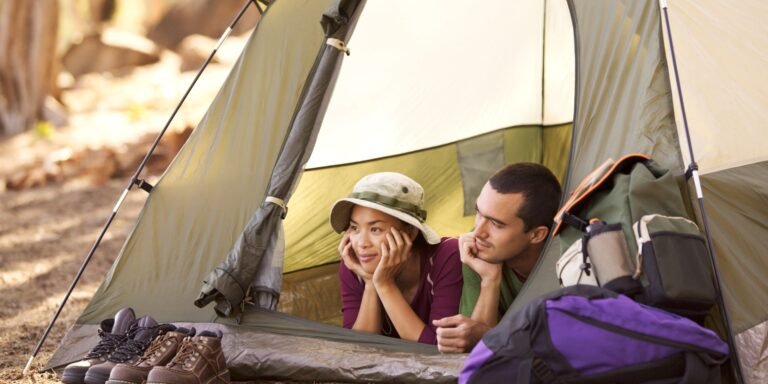
Warm bedding and simple shelter are valuable in cold weather. For more, see how to heat a tent safely.
19. Fire starters
Lighters, waterproof matches and ferro rods help people cook and stay warm. Our guide to starting a fire with a battery and steel wool and our notes on making tinder cover the basics.
20. Fuel, stored safely
Propane cylinders, lighter fluid and other fuels are in demand, but they are hazardous to store and transfer. Follow the safety rules for each and never store fuel in living spaces. Our guide to storing gasoline long term explains how to do it safely.

Items we recommend leaving off the list
Earlier versions of this article included alcohol, cigarettes and weapons. We do not recommend stockpiling them for barter. Alcohol and tobacco are regulated and carry health risks, and weapons raise legal and safety questions that go well beyond a supply list. If you own firearms, follow your local laws and focus on safe storage and training.

What to do with the list
Start by covering your household’s needs with our 72-hour kit checklist, then add a few extra inexpensive items to your regular shopping each month. Think about where you would store them safely, and how to rotate perishable items. If you are interested in longer-term planning, see our guide to planning for a food shortage.

Storing and rotating barter goods
Treat the stockpile as part of your regular household supply. Buy extras of items you use, put the newest at the back and use the oldest first. Keep food and supplies in a cool, dry place, in sealed containers that protect against pests and moisture, and label them with purchase dates. Check batteries and medical supplies for expiration dates, and keep fuels in approved containers outdoors or in a detached structure, away from living spaces. Write a short inventory so you know what you have.

Common barter mistakes
- Stockpiling exotic items before covering basic needs.
- Buying so much that goods spoil before they are used.
- Showing or telling others about your supplies.
- Assuming prices or demand will be the same in an emergency as they are today.
- Ignoring legal and tax rules.
- Putting yourself at risk to complete a trade.

Frequently Asked Questions
Is barter legal?
Yes, in general, but there are rules. The IRS treats barter as taxable income, and laws on selling certain items, such as medications and alcohol, vary.
What is the best item to stockpile for barter?
Things people use daily and cannot easily replace, such as clean water supplies, food, hygiene items, batteries and basic first aid. Prioritize what your own family would use.
Will cash be worthless in an emergency?
In a short outage, cash is still useful, and Ready.gov recommends having some. In a major, long-term disruption its value could change, so a mix of cash and supplies is more sensible.
Is it safe to trade with strangers?
Use caution. Meet in public, bring someone with you and never reveal where you store your supplies.
How much should I stockpile for barter?
There is no set amount. Cover your own needs first and add modest extras that you can use or rotate.

Bottom line
Barter is a backup, not a strategy. Build a supply that serves your family first, add inexpensive extras that most people need, keep your stockpile private and follow the law, including tax rules.