Emergency Water for Pets and Babies: What to Store and How to Use It Safely
This post may contain affiliate links, full disclosure here.
Quick answer: for babies on formula, CDC calls ready-to-feed formula the safest choice in an emergency because it needs no water. If powdered formula is the only option, mix it with bottled water, or with boiled or disinfected water if bottled water runs out, using the exact amounts on the label. For pets, Ready.gov says to keep a water bowl and several days of water in each pet’s kit. Count babies and pets separately when you add up your household’s water supply.
The standard emergency water rule of one gallon per person per day was built around adults and older children. Babies and pets have needs that rule does not cover: infant formula has to be mixed with safe water, bottles have to be cleaned, and dogs and cats need their own supply.
This guide covers how to plan water for both. It is part of our water series, built around the emergency water guide for households. The infant section draws on guidance from the Centers for Disease Control and Prevention. Talk to your pediatrician and veterinarian about your own child and animals, since needs vary.

Why Babies Need Their Own Plan
Infants are more vulnerable to germs in water than older children and adults. CDC’s guidance on infant feeding in emergencies notes that powdered infant formula is not sterile, which makes the water used to mix it especially important.
Emergencies often affect water first. Boil-water notices, main breaks and floods can all make tap water unsafe for mixing formula. Power outages add another problem, since refrigerators stop working and prepared formula cannot be stored safely for long.
Planning ahead means having the right type of formula, enough safe water, a way to clean feeding items and a plan for storage without power.

Ready-to-Feed Formula: The Simplest Option
CDC states that ready-to-feed infant formula is the safest option for families who need formula during or after an emergency. Because it is a sterile liquid, it needs no added water at all.
Ready-to-feed formula matters most for babies younger than 2 months, babies born prematurely and babies with weakened immune systems, according to the same CDC guidance.
Practical tips for an emergency stash:
- Keep several days of ready-to-feed formula in your emergency supplies
- Check expiration dates and rotate the stash into regular use before it expires
- Store it in a cool, dry place
- Include disposable bottles or clean cups and nipples if you use them
- Ask your pediatrician if your baby uses a special formula and how to keep a backup supply
Ready-to-feed formula costs more than powder and takes up more space. Many families keep a smaller emergency supply of it alongside their usual powdered formula.

Using Powdered Formula When Tap Water Is Unsafe
If powdered formula is the only option, CDC lays out clear steps.
- Clean the preparation surface and wash your hands with soap and water. If safe water is not available, use alcohol-based hand sanitizer with at least 60 percent alcohol.
- Use a clean bottle or food-grade container with a lid, and check that the formula is not expired.
- Use bottled water to prepare the formula until local authorities say tap water is safe. If bottled water is not available, make water safe by boiling or disinfecting it.
- Measure the exact amount of water listed on the formula label first, then add the powder with the scoop provided.
- Close the bottle and shake to mix. Warming is not required.
Using too much or too little formula can make a baby sick, CDC warns, so follow the label exactly. Homemade infant formula is also off the table, since the agency says it can lead to serious health problems.
Boiling water for formula
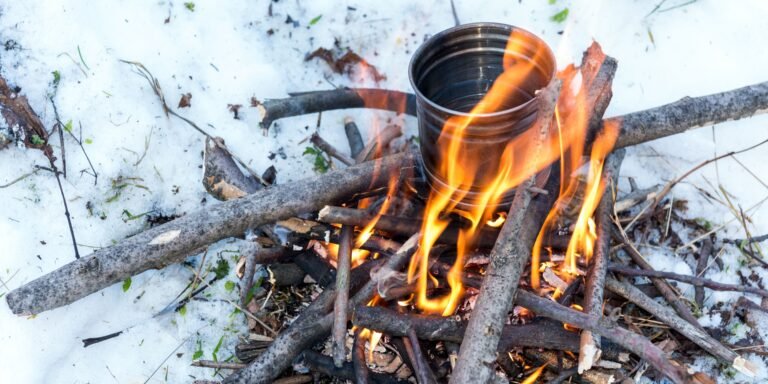
If bottled water runs out, boiling makes water safe from germs. CDC and EPA guidance is to bring clear water to a rolling boil for one minute, or three minutes at elevations above 6,500 feet, then let it cool. Our guide to boiling water without electricity lists safe ways to do this during an outage. Never use a grill, camp stove or generator indoors.
Chemical contamination
Boiling and disinfection kill germs but do not remove chemicals. CDC advises against boiling, disinfecting or filtering water that is contaminated with chemicals or toxins for infant formula. Use bottled water or ready-to-feed formula in those situations, and follow instructions from local officials.

Storing Prepared Formula Without Power
Refrigerators may not work during an outage. CDC gives these timing rules for prepared formula:
- Use prepared formula within 1 hour of the start of a feeding and within 2 hours of preparation
- If not used within 2 hours, refrigerate it right away and use it within 24 hours
- Without a working refrigerator, prepare fresh formula for every feeding
- Throw away any formula left over after a feeding, since bacteria can grow from the mix of formula and saliva
Making only what the baby will drink at each feeding avoids waste and protects the supply. Small, single-feeding bottles of ready-to-feed formula are handy here, since a large opened container usually has storage limits printed on the label that assume a working refrigerator.

Cleaning Bottles and Feeding Items
Cleaning feeding items takes water, and that water needs to be safe. CDC notes that bottles and nipples are hard to clean when safe water is not available, which makes them risky to use.
A practical alternative from the same guidance is to feed the baby from a clean disposable cup, using a new cup for each feeding. Cup feeding avoids the need to scrub bottles and nipples with scarce safe water. Ask your pediatrician or a lactation professional to show you how before an emergency.
If you do use bottles, plan extra safe water for washing them with soap and rinsing. That water should be counted in your supply on top of the water for mixing.
Breastfeeding in an Emergency
Breastfeeding does not depend on a water supply. CDC’s guidance on feeding children safely during a disaster supports continuing to breastfeed when possible, and notes that breast milk should be fed first when a baby receives both breast milk and formula.
Nursing parents need plenty of fluids themselves. Ready.gov notes that nursing mothers may need more than the standard one gallon of water per day, so add a margin to their share of the household supply.

How Much Water to Store for a Baby
There is no single official figure, because needs depend on the baby’s age, how they are fed and whether bottles need cleaning. A simple way to plan:
- Check how much water the formula label calls for each day at your baby’s current age and feeding amount.
- Add water for cleaning bottles, if you will use them, and for handwashing.
- Multiply by the number of days you want to cover, such as three days for a go-bag and two weeks at home.
- Store that amount as bottled water set aside just for the baby.
Babies younger than 6 months who drink breast milk or formula generally get the fluid they need from those feeds, according to CDC’s infant nutrition guidance, so do not give extra water to young infants unless a pediatrician advises it. Recalculate every few months as the baby grows.

Water for Pets
Pets depend completely on their owners for water. Ready.gov’s pet preparedness page recommends two kits for each pet: a larger one for sheltering in place and a lighter one for evacuation. For water, it says to store a water bowl and several days’ supply.
How much is several days? That depends on the animal’s size, diet, activity, age and health, plus the weather. Cats on wet food drink less than cats on dry food. Large, active dogs in summer need far more than small dogs indoors. Ask your veterinarian for a daily figure for each animal and write it down.
Tips for pet water
- Store pet water separately and label it, so it is not used up by people first
- Keep a collapsible bowl in each evacuation kit
- Bring extra water for hot weather and car travel
- Keep pets from drinking floodwater, puddles or standing water outdoors, which can carry chemicals and germs
- Include household chlorine bleach in the pet kit for sanitation, as Ready.gov suggests, and use it only as directed on the label
Pets that take medication may need water at specific times. Keep an extra supply of any regular medicines in a waterproof container, as Ready.gov recommends.

Adding Babies and Pets to Your Household Total
Once you have the figures, add them to the main water plan. Our guide on storing water long term covers containers and storage locations.
A simple household sheet might list:
- Each adult and older child at one gallon per day, plus extra for nursing or heat
- The baby’s formula and cleaning water, based on the label and your pediatrician’s advice
- Each pet’s daily water, based on your veterinarian’s advice
- The number of days for the go-bag and for home storage
- The total, rounded up to whole containers
Keep the baby’s and pets’ water in clearly labeled containers. During a stressful event, labels prevent someone from using the formula water to wash dishes.

Getting Ready Before Storm Season
The best time to plan is before a forecast arrives. Stores often sell out of bottled water and ready-to-feed formula in the days before a hurricane or winter storm, and pet supplies can be hard to find after a disaster.
A few calm-weather tasks make a big difference:
- Buy a small stock of ready-to-feed formula and rotate it into normal use before it expires
- Set aside a case of bottled water just for the baby, labeled clearly
- Ask your pediatrician what to do if your baby’s usual formula is unavailable
- Ask your veterinarian for each pet’s daily water figure and any medication needs
- Practice cup feeding once so it is not new during an emergency
- Pack the pet evacuation kit and keep it near the door or in the car
Review these supplies every few months, since babies grow quickly and their feeding needs change.
Evacuation and Go-Bag Checklist
For families with babies and pets, evacuation kits need a few extras:
- Ready-to-feed formula and disposable cups, or powdered formula with bottled water
- Hand sanitizer with at least 60 percent alcohol
- Bottled water set aside for the baby
- Pet water, a collapsible bowl and food in waterproof containers
- Leashes, carriers and pet medicines
- Copies of pet records and a photo of you with each pet, as Ready.gov suggests
For a broader family kit list, see our 72-hour kit checklist for families.

Frequently Asked Questions
?? What is the safest formula to use in an emergency?
CDC says ready-to-feed infant formula is the safest option because it is sterile and needs no water. It is especially important for babies younger than 2 months, premature babies and babies with weakened immune systems.
?? Can I mix powdered formula with tap water during a boil-water advisory?
CDC advises using bottled water until local authorities say tap water is safe. If bottled water is not available, boil or disinfect the water first, let it cool, and use the exact amounts on the label.
?? How long can prepared formula sit out without a refrigerator?
CDC says to use prepared formula within 1 hour of starting a feeding and within 2 hours of preparation. Without refrigeration, prepare fresh formula for every feeding and discard leftovers.
?? How much water should I store for my dog or cat?
Ready.gov recommends several days of water in each pet’s kit. Ask your veterinarian for a daily amount based on your pet’s size, diet and health, and add extra for hot weather.
?? Should I give my baby extra water during a heat wave or outage?
Babies younger than 6 months generally get the fluid they need from breast milk or formula. Ask your pediatrician before giving water to a young infant.
?? Can pets drink floodwater?
Keep pets away from floodwater and outdoor puddles, which can contain chemicals and germs. Give them stored or treated water instead.
Sources: Centers for Disease Control and Prevention, Prepare and Store Powdered Infant Formula in an Emergency, Feeding Your Child Safely During a Disaster and infant nutrition guidance; Ready.gov (Prepare Your Pets for Disasters; Water); U.S. Environmental Protection Agency, Emergency Disinfection of Drinking Water. This article is general preparedness information, not medical or veterinary advice.