Winter Storm Preparedness for Your Home and Your Car
This post may contain affiliate links, full disclosure here.
Quick answer: learn the difference between a winter storm watch and a warning, stock several days of supplies, keep a car kit with blankets and a full tank of gas, and never heat a home with a gas oven or run a generator indoors. During a storm, stay off the roads. If you are trapped in your car, stay inside it.
Winter storms vary a great deal. Ready.gov says they can last a few hours or several days, and they can cut off heat, power and communication services. They also raise the risk of car crashes, hypothermia, frostbite, carbon monoxide poisoning and heart attacks from overexertion. Older adults, children, sick people and pets are at greater risk. Preparing is mostly about two places, your home and your vehicle, plus the habits that keep you out of trouble in between.
This guide walks through the alert terms, a home checklist, safe ways to stay warm, a car kit, what to do on the road, and how to recognize cold-related illness. For a deeper look at outages during cold snaps, see our guide to winter power outages.
Watch, Warning, Advisory: What the Alerts Mean
Alert terms are easy to mix up, and the differences matter. Ready.gov defines three of them. A winter storm watch alerts the public to the possibility of a blizzard, heavy snow, heavy freezing rain or heavy sleet, and is usually issued 12 to 48 hours before the storm begins. A winter storm warning is issued when hazardous winter weather in the form of heavy snow, heavy freezing rain or heavy sleet is imminent or occurring, usually 12 to 24 hours before the event. A winter weather advisory covers accumulations of snow, freezing rain, freezing drizzle and sleet that will cause significant inconvenience and, if caution is not exercised, could lead to life-threatening situations.
In plain terms: a watch means get ready, a warning means find shelter right away, and an advisory means be careful. Sign up for your community’s warning system, and keep a NOAA Weather Radio, which also delivers alerts through the Emergency Alert System. Alerts that arrive when you are not looking at your phone are the reason a battery radio earns its space.
Get the House Ready
Prepare your home to keep out the cold, Ready.gov recommends, with with insulation, caulking and weather stripping. Walk around on a cold day and feel for drafts near windows, doors and outlets on exterior walls. Learn how to keep pipes from freezing; utilities and plumbers commonly advise insulating exposed pipes, keeping the heat on in unoccupied rooms and letting a trickle of water run during a hard freeze, though you should check your own utility’s advice. Know where your main water shutoff is, in case a pipe bursts.
Install and test smoke alarms and carbon monoxide detectors with battery backups, and gather supplies in case you need to stay home for several days without power. Keep in mind each person’s specific needs, including medication, and remember pets. Stock extra batteries for radios and flashlights. A good approach is to prepare a “storm shelf” with water, food that needs no cooking, flashlights, blankets and a radio. Our 72-hour kit checklist gives a starting list.
People who cannot afford heating costs, weatherization or energy-related repairs can contact the Low Income Home Energy Assistance Program (LIHEAP) for help. Check the program’s eligibility rules and apply before a crisis, not during one.
Stay Warm Without Creating a New Emergency
The most dangerous mistakes in a winter outage involve fire and fumes. The agency is clear: avoid carbon monoxide poisoning by using generators and grills only outdoors and away from windows, and never heat your home with a gas stovetop or oven. Using an oven or stovetop can also cause fires and burns and could damage the appliance. For generators, keep both the machine and its fuel outdoors at least 20 feet from windows, doors and attached garages, keep it dry, let it cool before refueling, and follow the manufacturer’s instructions.
Safer ways to stay warm are low tech. Close off rooms you do not need, and gather everyone in one room. Hang blankets over windows at night. Dress in layers, including a hat, since a good deal of heat leaves through the head. Stuff towels along door gaps. Eat regularly and drink fluids, because the body burns fuel to stay warm. Keep moving with light activity, and avoid overexertion if you shovel snow. Our post on keeping emergency water from freezing helps if you store water in a cold space.
When the cold becomes dangerous, leave. Local governments commonly open warming centers and community locations with power. A friend’s home is a better choice than a freezing apartment, and it is far safer than a vehicle idling in a closed garage.

Build a Winter Car Kit
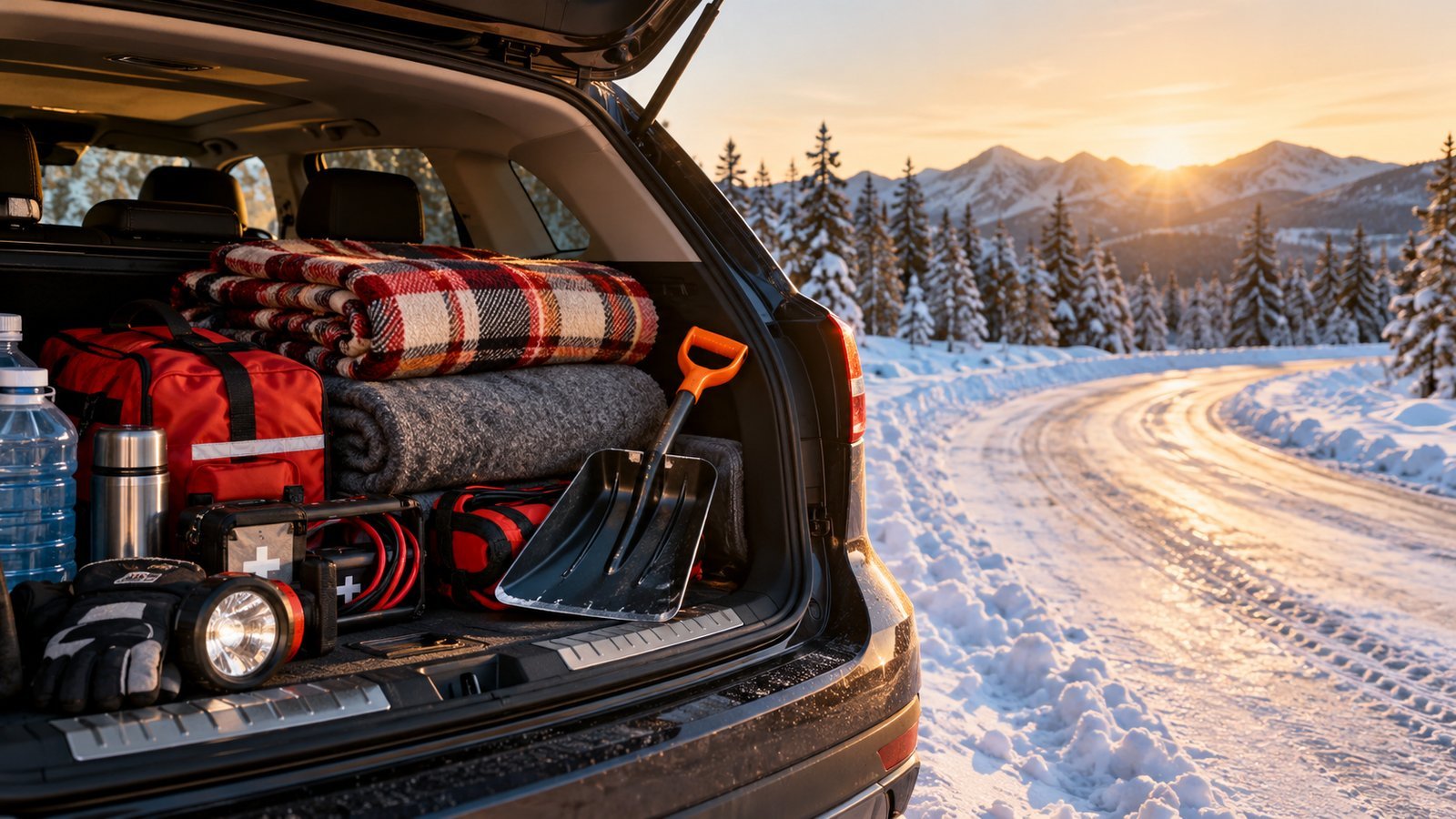
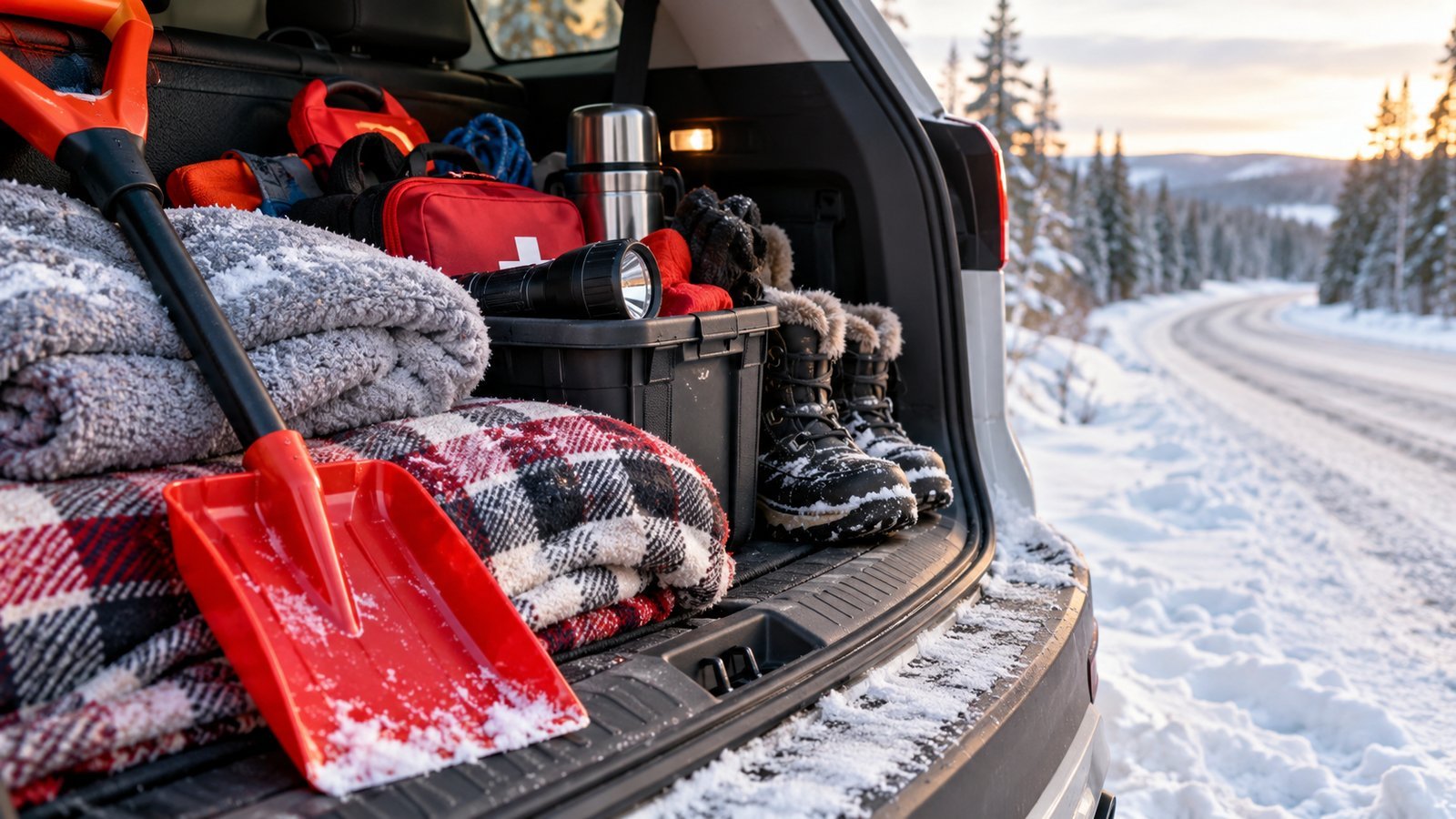
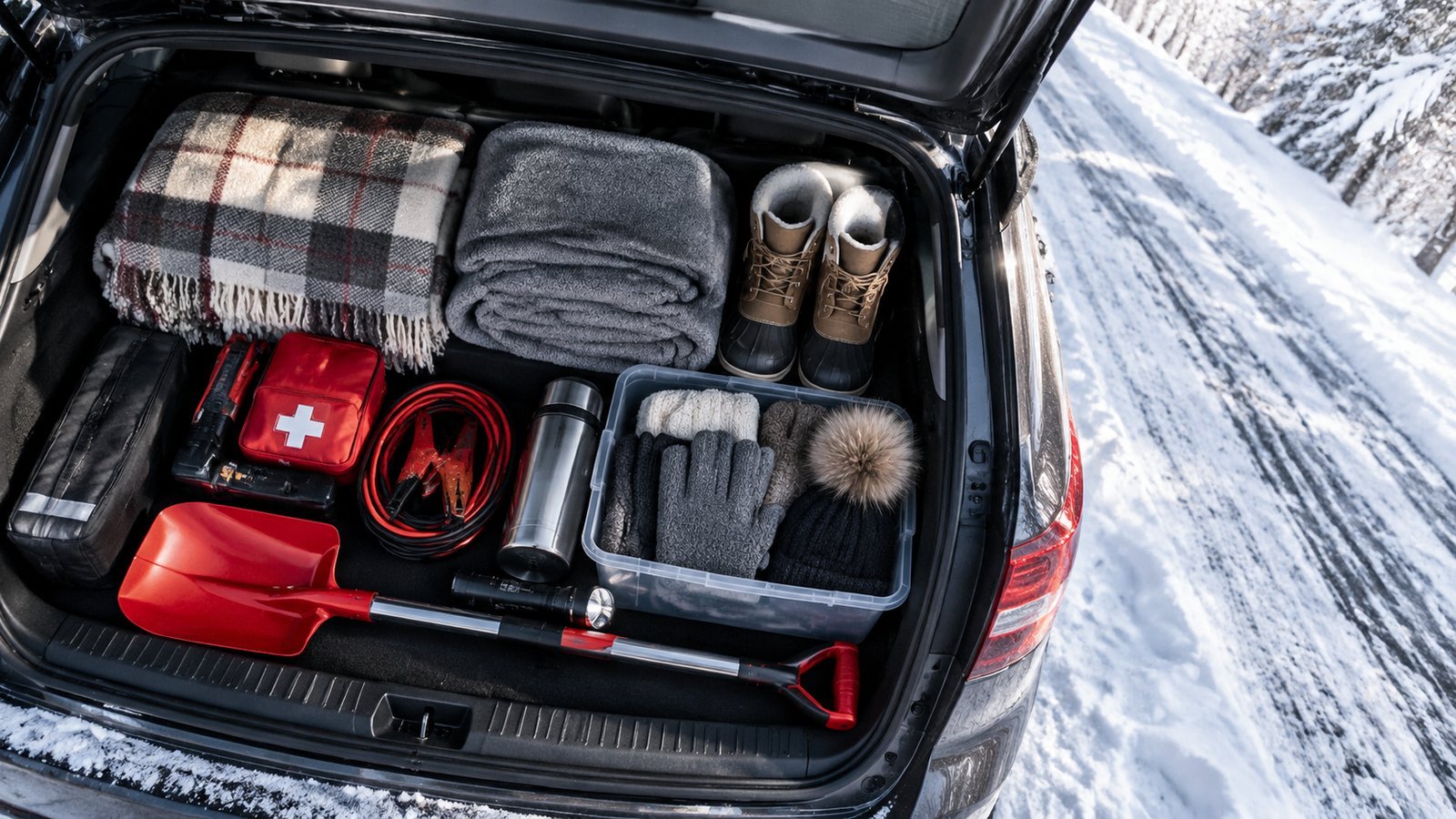
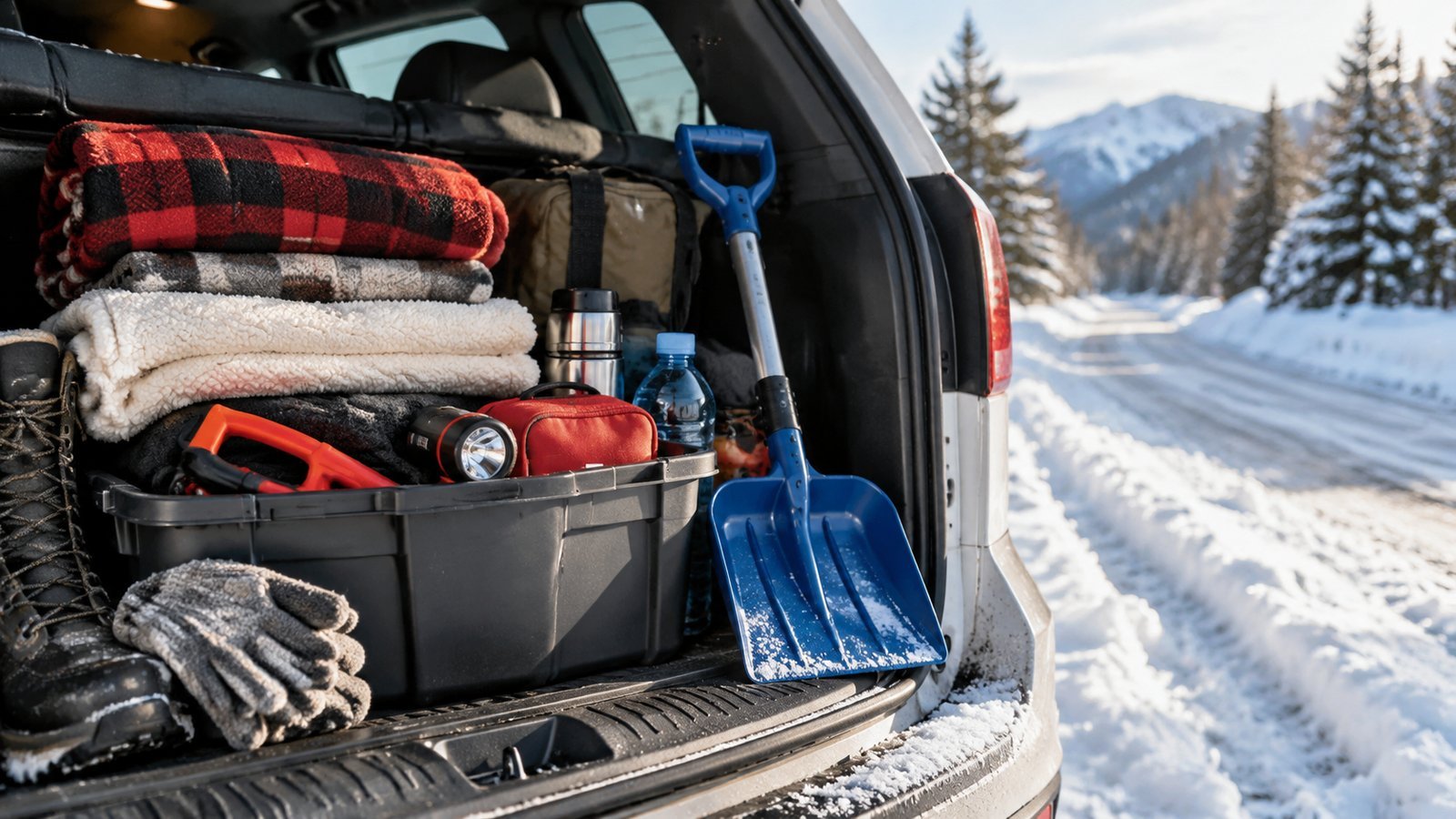
Be prepared for winter weather at home, at work and in your car. Ready.gov says to create an emergency supply kit for the car that includes jumper cables, sand, a flashlight, warm clothes, blankets, bottled water and non-perishable snacks, and to keep a full tank of gas. A full tank helps in two ways: it reduces moisture that can freeze in the fuel system, and it gives you the option of running the engine for heat in an emergency.
- Jumper cables and a small shovel
- Sand or cat litter for traction
- A flashlight with extra batteries, or a headlamp
- Warm clothes, gloves, a hat and blankets
- Bottled water and non-perishable snacks
- A phone charger or power bank, and a paper map
- An ice scraper and snow brush
- A first aid kit and any needed medications
Our car emergency kit checklist gives more ideas, as does a stash of shelf-stable snacks. Check the kit each fall, replace batteries and rotate food and water.

On the Road: Staying Off It, and What If You Are Trapped
The best advice is the simplest: stay off the roads if at all possible. Ice, snow and poor visibility are a poor combination, and every vehicle that stays home is one less for emergency crews to rescue. When travel cannot wait, tell someone your route and expected arrival time, check road conditions, and leave with a full tank and a charged phone.
Trapped in your car? Stay inside it, Ready.gov says. A vehicle shelters you from wind, is easier for rescuers to spot than a person on foot, and keeps you from getting lost in a whiteout. Call for help, give your location, and turn on hazard lights. Run the engine sparingly for heat, perhaps ten minutes an hour, and crack a window slightly. Make sure the exhaust pipe is not blocked by snow, because a blocked tailpipe can let carbon monoxide into the car. Move your arms and legs to keep blood flowing, and huddle with any passengers under blankets.
Going outside? Limit your time and wear layers of warm clothing. Watch for signs of frostbite and hypothermia, covered in the next section.

Recognize Hypothermia and Frostbite
Learn the signs and basic treatments of both, Ready.gov advises. Frostbite causes loss of feeling and color around the face, fingers and toes. Signs include numbness, white or grayish-yellow skin, and firm or waxy skin. The recommended actions are to go to a warm room, soak the area in warm water, and use body heat to warm it. Do not massage the area or use a heating pad.
Hypothermia is an unusually low body temperature, and a temperature below 95 degrees is an emergency. Signs include shivering, exhaustion, confusion, fumbling hands, memory loss, slurred speech and drowsiness. Go to a warm room, warm the center of the body first, meaning the chest, neck, head and groin, and keep dry and wrapped in warm blankets, including the head and neck. Call 9-1-1 or your local emergency number for a suspected hypothermia emergency. Our guide to medical supplies helps you build a first aid kit that includes thermometers and blankets.
Avoid heart strain too. Shoveling snow and walking in deep snow can cause heart attacks from overexertion, Ready.gov warns. Push the snow in small amounts, take breaks, and ask for help if you have heart disease or are out of shape.
Protecting Pets, Older Adults and Neighbors, and Counting Down to the Storm
Cold weather is hardest on the people and animals least able to move around or speak up. Ready.gov lists older adults, children, sick people and pets as being at greater risk during winter storms. Make a point of knowing who on your street lives alone. A quick call or a knock on the door, once conditions are safe, can catch a problem before it becomes dangerous: a dead furnace, a stuck door or a medication running low.
Pets need a plan of their own. Bring animals indoors when temperatures drop, and keep a supply of food, water and any medication. Provide a warm, dry place off the floor, and watch for signs of discomfort such as shivering, lethargy or reluctance to walk. Wipe paws after walks, since road salt and de-icing chemicals can irritate or harm them. Antifreeze is toxic to animals and tastes sweet, so clean up spills and store it securely. Outdoor animals need shelter that blocks wind and keeps them dry, and thawed water at least twice a day.
For older relatives, call before the storm and again afterward. Confirm they have heat, food, water, medicine and a charged phone. Consider arranging for them to stay with family when a major storm is forecast, especially if they live alone or rely on electric medical equipment. If someone depends on a powered device, talk to the supplier and the utility about backup plans well before winter arrives.
Small habits make a difference too. Keep your phone charged, store a few days of water, and set a calendar reminder each fall to change batteries in your detectors. A storm that finds you ready is a story about a cozy few days. A storm that finds you unready can be much worse.
A Simple Countdown Before the Storm Arrives
A countdown turns a long checklist into manageable steps. When a watch is issued, usually 12 to 48 hours ahead, charge phones and power banks, check batteries, fill the car’s gas tank and top up prescriptions. Bring in or secure anything the wind could throw. Fill clean containers with drinking water in case pipes freeze or the supply is interrupted, and charge any rechargeable lanterns.
- At the watch: refuel the car, charge devices, check medications, and review the plan with the household.
- At the warning: shop only if essential, bring pets inside, set up the warm room, and place flashlights and the radio where everyone can find them.
- Once the storm begins: stay indoors, avoid unnecessary travel, check on neighbors by phone, and keep refrigerator and freezer doors closed.
- After the storm: clear snow in small amounts, watch for ice on steps and roofs, and keep generators and grills outdoors.
Write the steps on a card and tape it to the refrigerator. The point is not to be perfect. The point is that when the first flakes fall, nobody has to remember anything.
Frequently Asked Questions
How long before a winter storm do warnings arrive?
Winter storm warnings are usually issued 12 to 24 hours before the event, and watches 12 to 48 hours before.
Can I use my oven to heat my house during an outage?
No. Never heat a home with a gas stovetop or oven. It risks carbon monoxide poisoning, fire and burns (Ready.gov).
What should I keep in my car in winter?
Jumper cables, sand, a flashlight, warm clothes, blankets, bottled water, non-perishable snacks, and a full tank of gas, according to Ready.gov.
What should I do if I am stranded?
Stay in your vehicle, call for help, keep the exhaust clear, run the engine sparingly for heat and conserve your phone battery.
At what body temperature is hypothermia an emergency?
A temperature below 95 degrees is an emergency, per Ready.gov. Seek medical help right away.