Flood Safety: How to Prepare and Why You Never Drive Through Water
This post may contain affiliate links, full disclosure here.
Quick answer: floods are the most common disaster in the United States, and most flood deaths happen when people try to walk, swim or drive through moving water. Know your flood risk, buy flood insurance well ahead of time because it takes about 30 days to start, and keep documents in a waterproof container. Under a warning, move to safe shelter and remember: Turn Around, Don’t Drown.
Floods are the most common disaster in the United States, Ready.gov says, and failing to evacuate flooded areas or entering flood waters can lead to injury or death. Floods come from rain, snow, coastal storms, storm surge and the overflow of dams and other water systems. They can build slowly over days, or arrive in minutes as flash floods with no warning at all. A flood can knock out power, close roads, damage buildings and trigger landslides.
That range is why flood preparedness is not only for people who live beside a river. Where it rains, it can flood. This guide sorts the topic into seven pieces: understanding your risk, insurance, protecting your property, household supplies, what to do under a warning, driving and walking safety, and recovery.
Know Your Flood Risk
Start with the flood maps. FEMA’s Flood Map Service Center shows the types of flood risk in your area, and Ready.gov adds an important caution: flooding does not follow the lines on a map. Homes outside mapped high-risk zones flood regularly, especially in heavy rainstorms that overwhelm drainage. Ask neighbors and long-time residents about water history on your street. Check whether your local government publishes flood or storm drain information, and note whether your property sits low compared with the road, near a creek, or beneath a dam.
Sign up for your community’s warning system as well. The Emergency Alert System and NOAA Weather Radio provide emergency alerts, and many counties run opt-in text systems with flood-specific notices. A flash flood warning requires immediate action, which is hard to take if you do not hear about it. For a refresher on weather radios and alert terms, see our 72-hour kit checklist, which lists the radio as a core item.
Think about the places you go as well as the place you live. A route to work that dips under an overpass, a school in a low-lying area, a parking garage below ground level: each adds to your risk. Make a mental map of the high spots near the places you spend time, so you can move uphill quickly.
Flood Insurance Is Not Optional for Most Households
This is the section people skip, and it is the one that causes the most financial pain. Homeowner’s insurance policies do not cover flooding, Ready.gov states plainly. Flood coverage is available through the National Flood Insurance Program (NFIP) and from private insurers, and it typically takes up to 30 days for a policy to go into effect. That delay means the time to buy is well before a storm appears on the radar. Renters can buy contents coverage as well, so ask about it if you rent.
Review your policy each year. Check the coverage limits, what is and is not included, and what documents the insurer wants after a loss. Photograph or video your belongings room by room, and store the files in a secure online account. Keep your policy numbers and your agent’s phone number somewhere you can reach if the power is out. A flood insurance claims checklist is available through Ready.gov too, and the NFIP’s own site explains how to file.
Flooding can also hit places where coverage does not reach, such as basement contents in some policies. Read the fine print, ask about exclusions, and decide what you can live with. On a tight budget, our guide to prepping on a budget suggests ways to stage the costs.
Protect Your Property Before the Water Rises
Several steps from Ready.gov apply long before a storm. Keep documents in a waterproof container and create password-protected digital copies. Move valuables to higher levels of the home. Declutter drains and gutters so water has somewhere to go. Install check valves, which stop sewage from backing up into the house, and consider a sump pump with a battery backup so it keeps working when the power fails. Raise electrical panels, outlets and appliances where possible, since water and electricity are a deadly combination.
Outside, direct downspouts away from the foundation and make sure the ground slopes away from the house. Keep storm drains near your property clear of leaves and trash. Living in a flood-prone area? Ask local officials about sandbags and other temporary barriers, and about any programs that help owners elevate or floodproof homes. Do not store chemicals, fuel or important papers in basements or ground-level garages.
Think, too, about what is in your car. A vehicle can be flooded in a parking lot, so keep valuable items in the trunk or on higher floors. The next sections cover what to do with the vehicle itself.

Supplies and a Household Plan
Ready.gov recommends gathering supplies, including non-perishable foods, cleaning supplies and water for several days, in case you must leave immediately or services are cut off. Add medications, pet supplies, a battery radio, flashlights, a first aid kit, sturdy waterproof boots, and work gloves for cleanup. Keep the kit on an upper floor or in a place you can reach without wading.
Make a household plan that says where you will go if told to evacuate, which route you will take, and how you will contact one another. Learn and practice evacuation routes, shelter plans and the flash flood response. Include pets, and plan for family members who may need extra help. Our guide to storing emergency water covers how to keep a safe supply, which is important because flooding can contaminate public water.
For people with a disability or limited mobility, early departure is better than a rushed one. Arrange transportation in advance and let a relative or neighbor know your plan. Local emergency managers can often tell you about registries and special transport.

Under a Flood Warning: What to Do
If you are under a flood warning, find safe shelter right away. Avoid walking, swimming or driving through flood waters, and stay off bridges over fast-moving water, since fast-moving water can wash bridges away without warning. Depending on the type of flooding, the correct action may be to evacuate if told to, to move to higher ground or a higher floor, or to stay where you are. Listen to the Emergency Alert System, NOAA Weather Radio or local alerts for instructions.
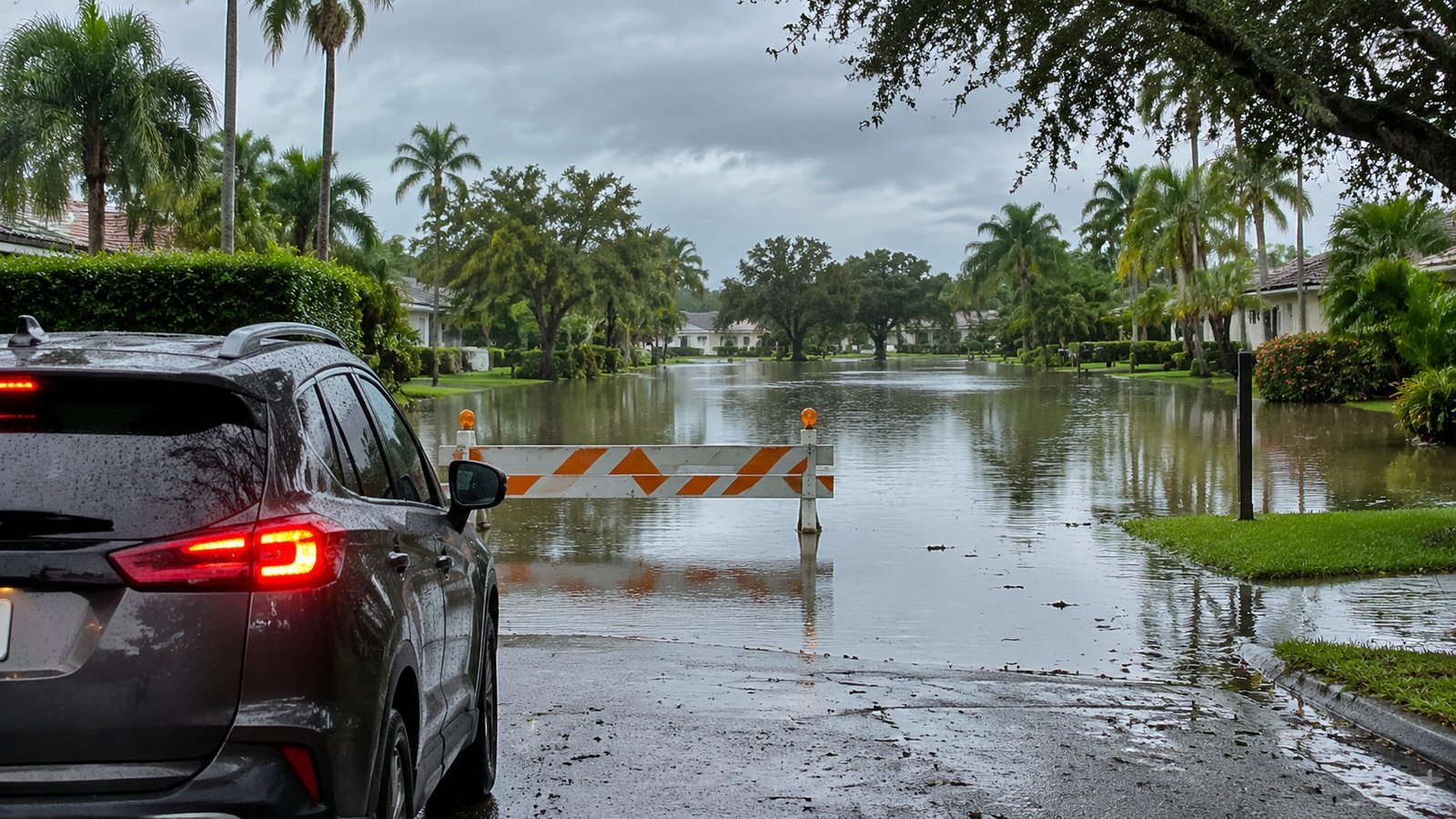
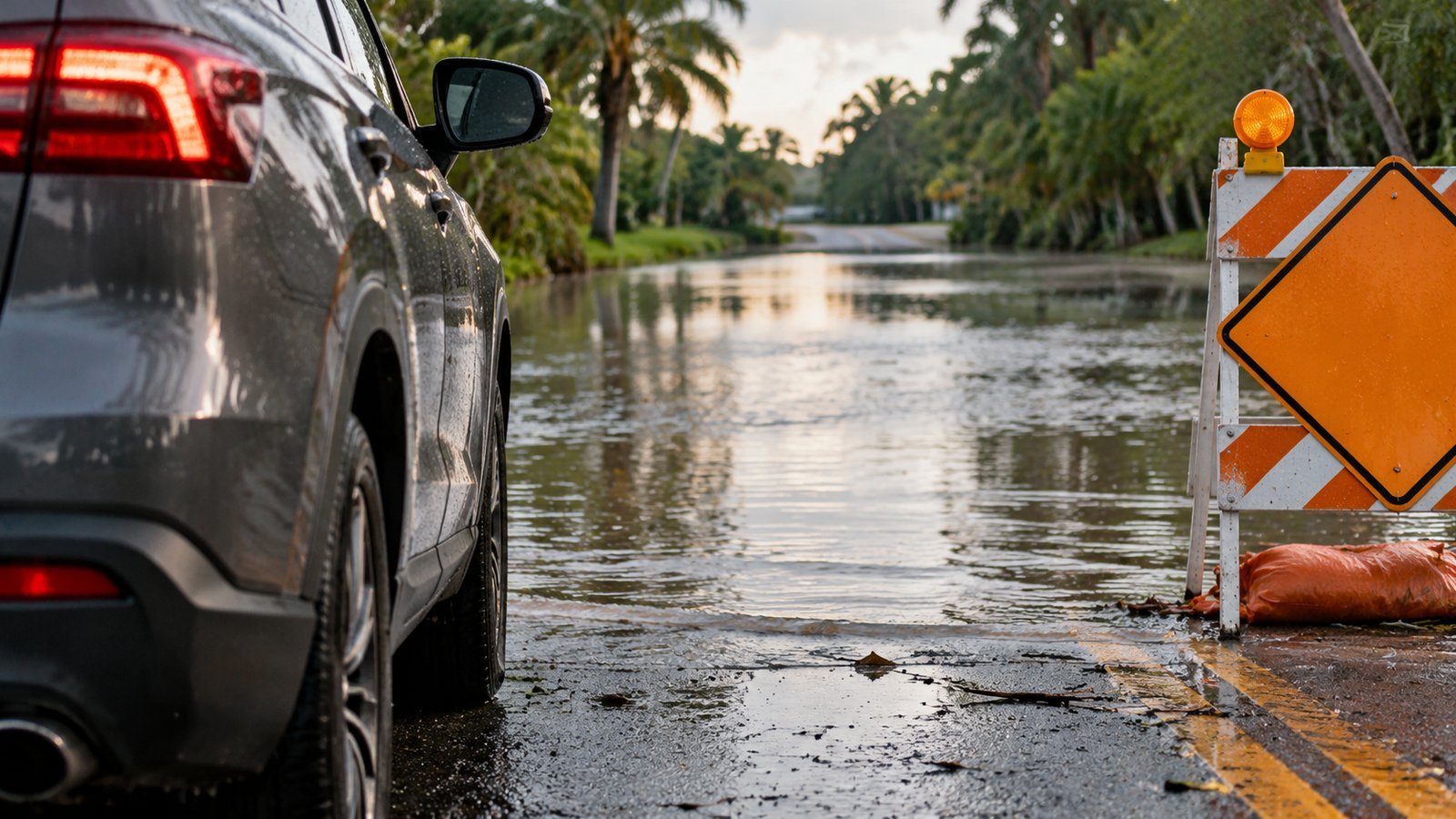
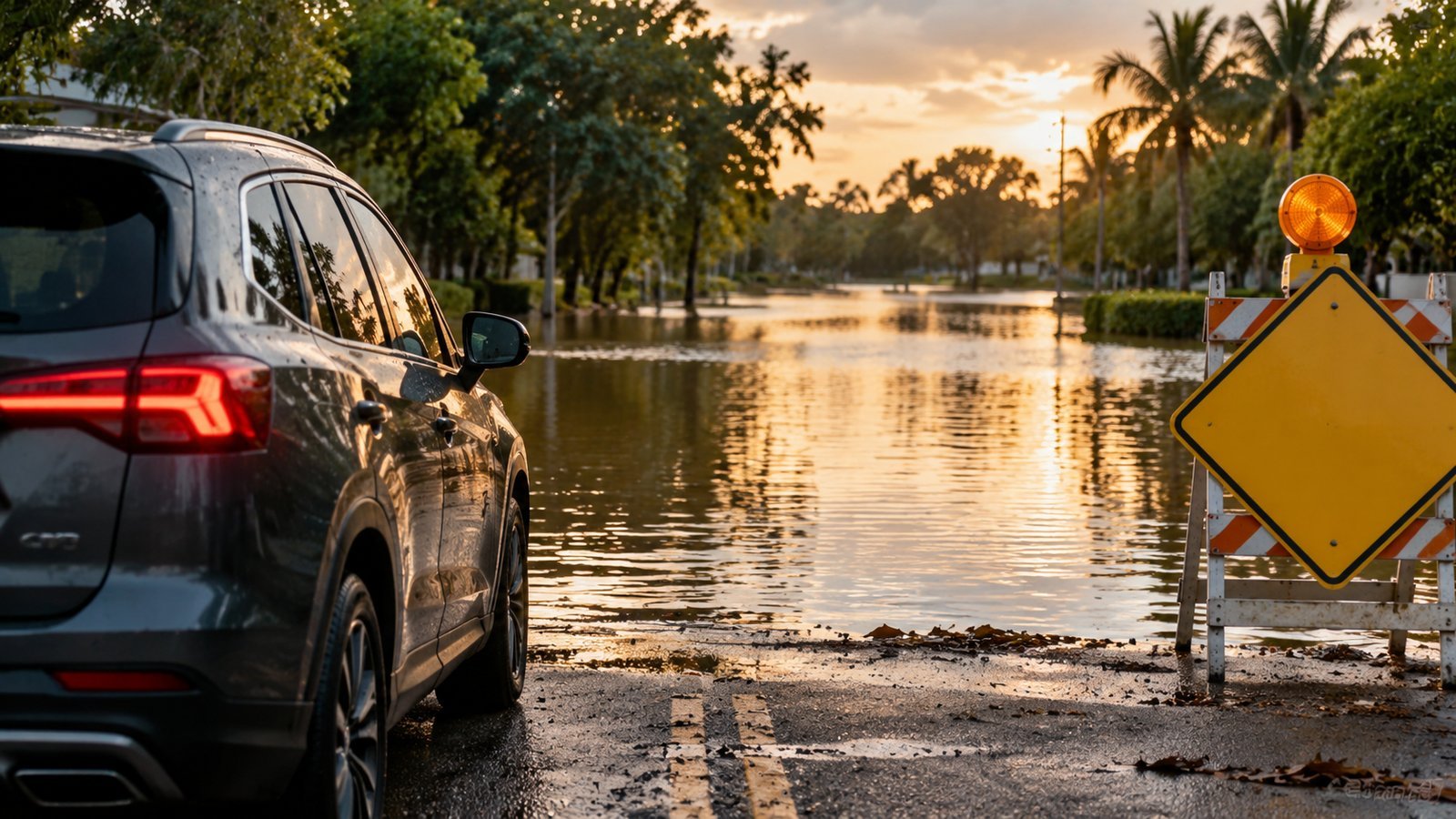
Told to evacuate? Go immediately, and never drive around barricades; local responders place them to direct traffic out of flooded areas. Trapped in a building? Get to the highest level, and do not climb into a closed attic, where rising water can trap you. Get on the roof only if necessary, and once there, signal for help. Sick and in need of care? Contact your healthcare provider for instructions and shelter in place if possible, and call 9-1-1 for a medical emergency.
Take the warning seriously even if the sky looks clear. Floodwater can arrive from rain that fell miles upstream. The time to move is when the alert comes, not when you see water in the street.

Turn Around, Don't Drown
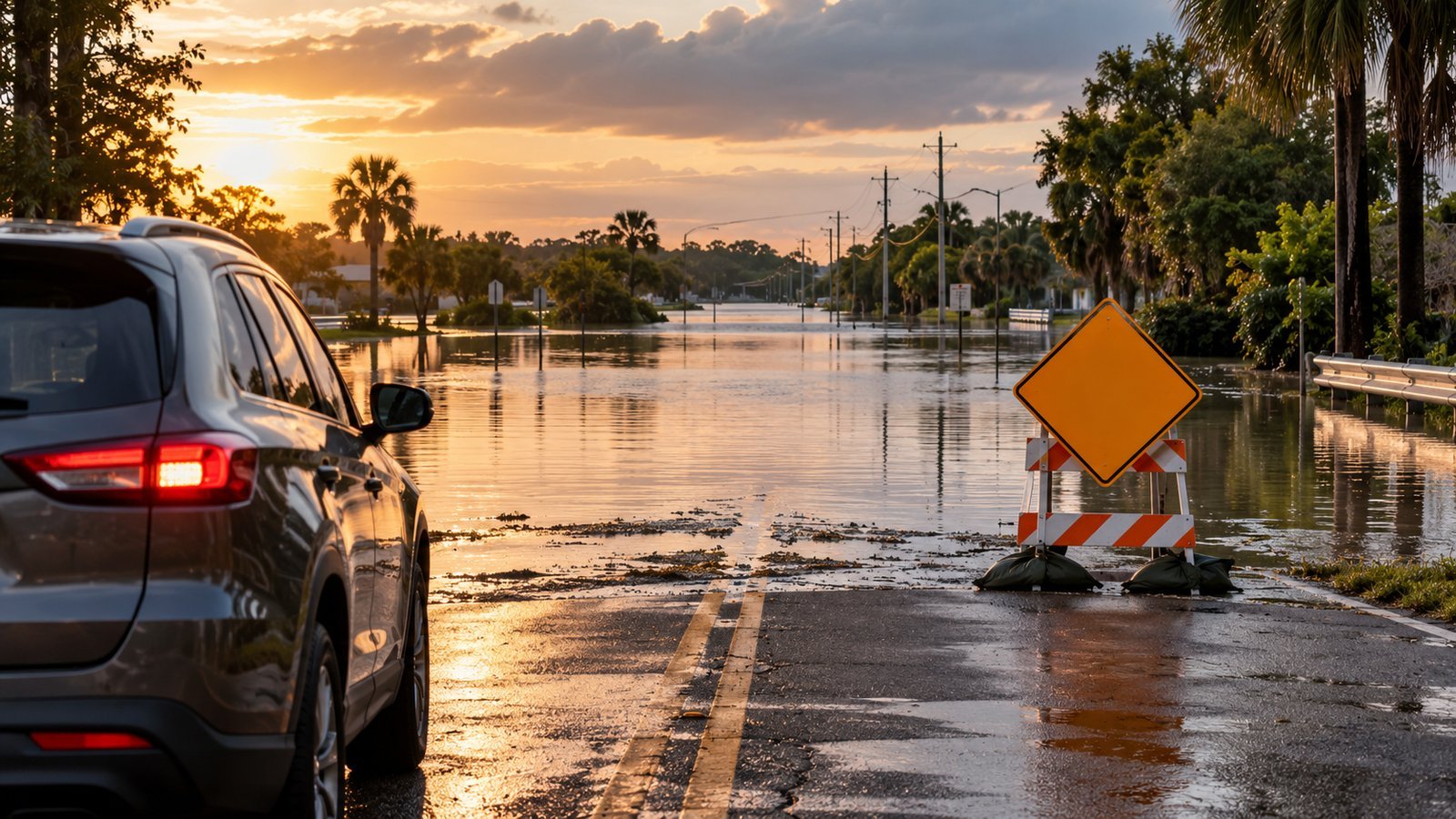
The phrase has been repeated for years because the numbers are so hard to believe. Just six inches of moving water can knock you down, and one foot of moving water can sweep your vehicle away, per Ready.gov. Water also hides what lies beneath it: washed-out pavement, open manholes and debris. A road that looks passable may not be. See water covering a road? Find another route.
A car trapped in rapidly moving water is a different case: Ready.gov says to stay inside it, and to get on the roof only if water is rising inside. Do not try to wade out into current, because a swift stream can sweep you away in an instant. Call for help as soon as you can. Pay attention to the surroundings as you drive in heavy rain, and slow down, since even a few inches of water can cause skidding.
Walking is not safer. Avoid wading in flood water, which can be contaminated and contain dangerous debris. Underground or downed power lines can electrically charge the water. Keep children and pets out of it. Our article on why drinking water needs purification explains why floodwater and drinking water should never mix.

After the Water Recedes
Pay attention to authorities for instructions, and return home only when they say it is safe. Avoid driving except in emergencies, since roads may be damaged or blocked. Wear heavy work gloves, protective clothing and boots during cleanup. Use appropriate face coverings or masks when cleaning mold or other debris. People with asthma and other lung conditions, or with immune suppression, should not enter buildings with indoor water leaks or mold growth that can be seen or smelled, and children should not take part in cleanup.
Be alert for electrical dangers. Do not touch electrical equipment if it is wet or if you are standing in water, and turn off the electricity if it is safe to do so. Use a generator or other gasoline-powered machinery only outdoors and away from windows. Remember that snakes and other animals may be in the house. Document damage with photos before you move anything, and contact your insurer promptly.
Guidance for salvaging water-damaged family treasures, documents and photographs is also linked from Ready.gov. The general idea is to handle items gently, keep them cool and out of direct sunlight, and seek advice from a conservator for valuable pieces. Throw away food that came into contact with floodwater, and use bottled or treated water until local officials say tap water is safe.
Some flood risks are easy to overlook. Flash floods can happen in cities, where pavement sends rain to storm drains faster than they can handle, and in dry-looking washes and canyons where a storm miles away sends a wall of water downstream. Areas burned by a wildfire can flood more easily in later storms because burned ground absorbs less water, so check local alerts if you live near a recent burn scar. Underground spaces, such as basement apartments, garages and subway stations, can fill quickly. If you rent a below-ground unit, know your exit routes and your landlord’s plan, and move to a higher level at the first warning.
Camping and hiking add another layer. Do not camp in a dry creek bed or low area, and check the forecast upstream as well as where you are. When thunderstorms threaten, climb to higher ground and stay away from streams. Treat every warning on a trip as seriously as one at home.
Finally, build the habit of checking the forecast during rainy seasons and keeping your phone charged before storms. Small routines, repeated, are what turn a plan into an automatic response. Share what you learn with neighbors, since flood safety works best when a whole street knows the same rules and watches out for one another when the water starts to rise.

Frequently Asked Questions
How much water does it take to knock someone down?
Six inches of moving water can knock you down, according to Ready.gov.
How deep does water have to be to sweep a car away?
One foot of moving water can sweep a vehicle away, according to Ready.gov.
Does homeowner's insurance cover floods?
No. Homeowner’s policies do not cover flooding, per Ready.gov. Flood insurance is available through the NFIP and private insurers, and usually takes up to 30 days to take effect.
What should I do if I get trapped in my car by floodwater?
Stay inside the car if it is trapped in rapidly moving water, and get on the roof only if water is rising inside. Call for help.
Is it safe to drive around a barricade?
No. Responders use barricades to direct traffic out of flooded areas. Never drive around them.