Candles vs Battery Lights During Outages: Fire Risk and Safer Choices
Why battery lanterns and flashlights beat candles during apartment outages, NFPA open-flame risks, Ready.gov lighting advice and how to build a layered battery lighting kit.

Why battery lanterns and flashlights beat candles during apartment outages, NFPA open-flame risks, Ready.gov lighting advice and how to build a layered battery lighting kit.
CPSC and generator-safety rules for extension cords during outages: outdoor-rated cords, wattage matching, no backfeeding, no cords under carpets and how renters can charge devices without creating fire hazards.
FDA and CDC guidance for refrigerated medicines and insulin during power outages: coolers and gel packs, what not to freeze, when to replace drugs and how renters can plan without a generator.
Practical power outage options for renters and apartment dwellers: battery lights and power stations, why generators do not belong on balconies, food and medicine rules from Ready.gov and the CDC, and how to plan when you cannot install fixed equipment.
When the power goes out, the urge to cook a hot meal can lead to carbon monoxide poisoning and fires. Which cooking methods are safe indoors and which never are, what fire codes say about balcony grills, how to handle food safety without a working fridge and simple no-cook and low-power options for apartments.
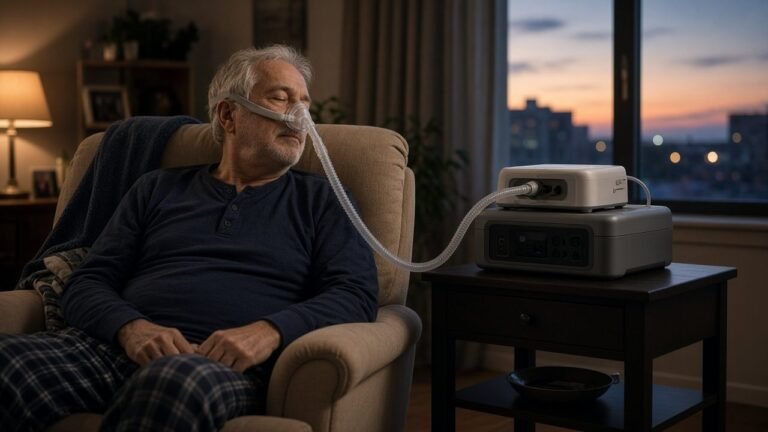
How to keep electricity-dependent medical devices running during a power outage: making a plan with your provider, calculating watts and watt-hours, choosing batteries, power stations or generators, utility medical registries, keeping refrigerated medicine safe and when to go to a shelter or hospital.
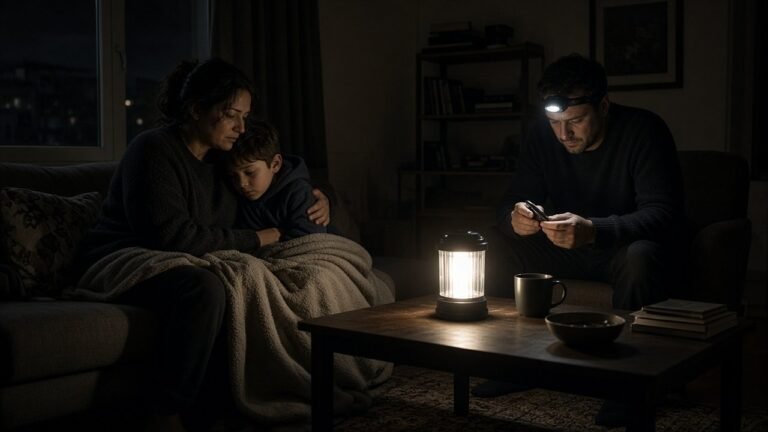
How to light your home safely in a power outage: why safety agencies recommend battery lights over candles, flashlights versus lanterns versus headlamps, how to read lumens, runtime and water ratings, battery choices, how many lights you need and where to keep them.
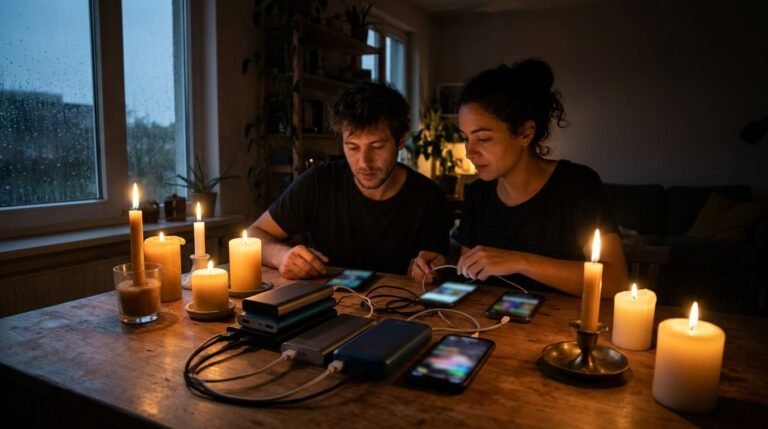
How to choose a power bank for a power outage: mAh vs watt-hours, how many charges to expect, sizing for a household, safe storage and an outage plan.
Prepare your apartment or high-rise for a 72-hour to 2-week power outage with our FEMA-aligned water storage math, no-cook vs. freeze-dried pantry layers, and safe indoor lighting.
Portable generator safety for power outages: carbon monoxide risks and alarms, the 20-foot placement rule, wet weather, extension cords and transfer switches, refueling and safe fuel storage, based on CPSC, CDC, Ready.gov, OSHA and Red Cross guidance.