How to Cook Safely During a Power Outage: Gas Stoves, Grills, Camp Stoves and Battery Options for City Homes
This post may contain affiliate links, full disclosure here.
Quick answer: during a power outage, never use a charcoal grill, gas or propane grill, camp stove or generator indoors or in a garage, and never use a gas oven or stove to heat your home; the CDC warns these can cause deadly carbon monoxide buildup. Safe options include a gas cooktop you can light with a match if the manufacturer allows it, an electric hot plate or kettle run from a properly used portable power station, and outdoor grills used well away from the building and where fire codes allow them. Cook meat to safe internal temperatures with a food thermometer, keep the fridge closed and lean on no-cook meals when in doubt.
Every big outage brings the same tragic headlines: families sickened or killed by carbon monoxide from a grill brought inside, a generator in the garage or a stove used for heat. Cooking is also the leading cause of home fires, according to the National Fire Protection Association, and darkness, candles and improvised setups make an outage a riskier time to cook.
You can still eat well when the lights are out. The key is choosing a method that is safe for where you live and keeping food safety in mind. This guide is part of our emergency power guide.
Sources: Centers for Disease Control and Prevention, “Carbon Monoxide Poisoning: Prevention” and guidance on power outages and safe water; USDA Food Safety and Inspection Service, “Food Safety During Power Outage” and “Safe Minimum Internal Temperature Chart” (FoodSafety.gov); National Fire Protection Association, cooking fire safety and grilling safety information; International Fire Code section 308.1.4 on open-flame cooking devices; U.S. Fire Administration, cooking fire safety; Ready.gov, “Power Outages.” General safety information; follow your appliance manuals and local fire codes. Checked October 2026.
The Rules That Prevent Tragedies
Before any cooking plan, fix these rules in your head. The CDC lists them in its carbon monoxide prevention guidance:
- Never use a gas range or oven to heat your home.
- Never use a charcoal grill, hibachi, lantern or portable camping stove inside a home, tent or camper.
- Never run a generator, pressure washer or gasoline engine inside a basement, garage or other enclosed space, even with doors or windows open.
- Never burn anything in a stove or fireplace that is not vented.
Carbon monoxide is colorless and odorless. Symptoms include headache, dizziness, weakness, upset stomach, vomiting, chest pain and confusion, according to the CDC, and people who are sleeping or have been drinking can die before they notice symptoms. Make sure every carbon monoxide alarm in your home has working battery backup before outage season.

Option 1: A Gas Cooktop Lit by Hand
Many homes and apartments with gas service keep gas flowing during an electric outage. Some gas cooktops with electronic ignition can be lit manually with a match or long lighter when the power is out. Others cannot, and many gas ovens with electronic controls or glow-bar igniters will not work at all without electricity.
Safety tips:
- Check your owner’s manual for the manufacturer’s instructions on lighting burners during an outage. Follow them exactly.
- Use the burners only for cooking, never to heat the room.
- Turn on any available ventilation and open a window slightly, since range hoods will not run without power.
- Stay in the kitchen while anything is on the burner.
- Turn the burner off immediately if it does not light, and wait before trying again so gas does not build up.
If you smell gas, do not light anything. Leave the building and call the gas company or 911 from outside.
Option 2: Electric Cooking From Stored Power
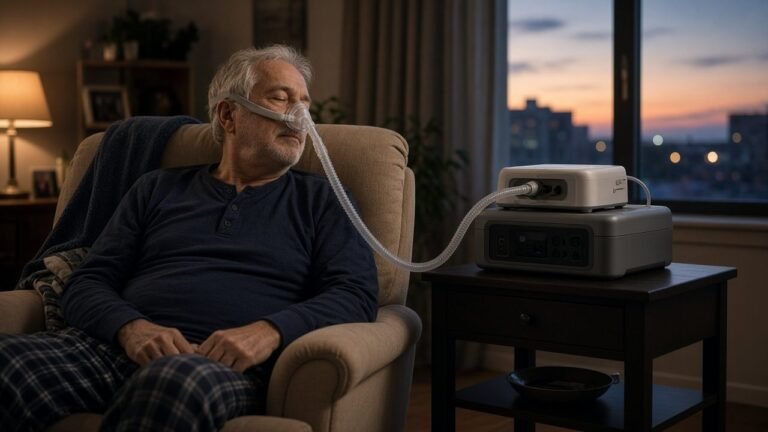
A portable power station, sometimes called a battery generator, produces no exhaust and can be used indoors. It can run small cooking appliances, but cooking draws a lot of power quickly.
- Electric kettles, hot plates, induction burners, rice cookers and slow cookers each draw different amounts of power. Check the wattage on the appliance label and compare it to the power station’s rated output and battery capacity.
- Short, high-heat tasks such as boiling water for instant meals or coffee use far less stored energy than hours of simmering.
- Prioritize medical devices, phones and lights before cooking if your stored power is limited.
- Follow the manufacturer’s instructions on charging and placement, and keep it dry.
Gasoline generators are a different matter. They must stay outdoors, away from windows, doors and vents. The CDC advises keeping them at least 20 feet from windows, doors and vents. Our guide to generator safety, placement and fuel storage covers the details.
Option 3: Outdoor Grills and Camp Stoves
Charcoal grills, propane grills and camp stoves are useful outage tools, but only outdoors and only where they are allowed.
Apartment balconies and fire codes
Many apartment dwellers cannot legally use a grill on a balcony. The International Fire Code, which many jurisdictions adopt with local changes, states in section 308.1.4 that charcoal burners and other open-flame cooking devices shall not be operated on combustible balconies or within 10 feet of combustible construction, with exceptions including one- and two-family dwellings. The code also limits LP-gas containers on such balconies. Your city’s fire code, your lease and your building rules may be stricter.
Check before an outage, not during one. If balcony grilling is prohibited, look for a designated outdoor grilling area or plan on other methods.
Outdoor grilling safety
The NFPA and U.S. Fire Administration recommend:
- Keep grills well away from the home, deck railings and overhanging branches.
- Never leave a lit grill unattended.
- Keep children and pets away from the grill area.
- Check propane connections for leaks before use.
- Let charcoal cool completely before disposing of it in a metal container.
Never bring a grill or camp stove indoors to finish cooking or to warm up, even briefly.
Food Safety When the Fridge Is Off
Cooking safely also means starting with safe food. FSIS guidance says:
- Keep refrigerator and freezer doors closed as much as possible.
- A closed refrigerator keeps food safe for about 4 hours.
- A full freezer holds its temperature for about 48 hours, or about 24 hours if half full, when the door stays closed.
- Discard perishable food such as meat, poultry, seafood, milk, eggs and leftovers that has been above 40°F for 2 hours or more.
Plan meals around what will spoil first. Cook thawing meat from the freezer while it is still at a safe temperature, and leave the shelf-stable foods for later. Our guide to food safety during a power outage has the full decision charts.
Cook to safe temperatures
Without your usual routine and lighting, it is easy to undercook food. FoodSafety.gov lists these safe minimum internal temperatures:
| Food | Safe minimum internal temperature |
|---|---|
| Poultry, including ground poultry | 165°F |
| Ground beef, pork, veal and lamb | 160°F |
| Beef, pork, veal and lamb steaks, chops and roasts | 145°F with a 3-minute rest |
| Fish and shellfish | 145°F |
| Leftovers and casseroles | 165°F |
A simple dial or digital food thermometer, stored with your emergency supplies, takes the guesswork out of this.
Water for cooking
If your water utility issues a boil water advisory during an outage, follow it. The CDC advises bringing water to a full rolling boil for 1 minute, or 3 minutes at elevations above 6,500 feet, then letting it cool before use. If you cannot boil water, use stored or bottled water for cooking and drinking.

Feeding Babies, Older Adults and People With Special Diets
Outage meals need extra thought for some household members.
- Infants: ready-to-feed liquid formula needs no water or mixing, which makes it a practical outage backup. If you use powdered formula, mix it with safe bottled or properly boiled and cooled water, and follow the instructions on the package.
- Older adults: choose soft, familiar foods that are easy to chew and swallow, and keep up fluids. Dehydration is a risk in both heat and cold.
- Medical diets: people managing diabetes, kidney disease, food allergies or other conditions should keep a few days of suitable shelf-stable foods and any required supplements. Ask a doctor or dietitian what to stock.
- Refrigerated medications: some, such as insulin, have specific storage needs. Ask your pharmacist how long yours can stay unrefrigerated and what to do during a long outage.
Label these supplies clearly so anyone in the household can find them in the dark.
After the Power Comes Back
The outage does not end the food safety questions. Once power returns:
- Check the refrigerator and freezer temperatures. An appliance thermometer shows whether the fridge stayed at 40°F or below and the freezer at 0°F.
- Review what thawed. FSIS says food in the freezer that still contains ice crystals or is at 40°F or below can be safely refrozen, although quality may suffer.
- When in doubt, throw it out. Never taste food to decide whether it is safe.
- Clean up spills inside the fridge and freezer before restocking.
- Put away grills and fuel properly, and let charcoal cool completely.
- Restock your outage supplies, including food, water, fuel, batteries and lighter fluid, while the experience is fresh.
Lighting and Fire Safety in a Dark Kitchen
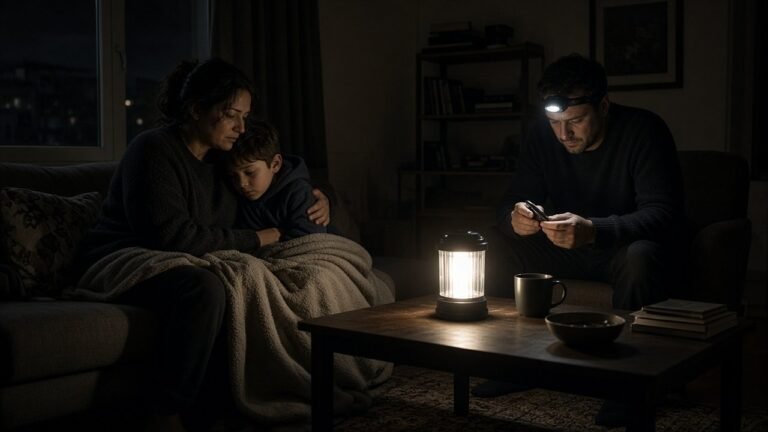
Cooking in the dark adds risk. Ready.gov recommends flashlights instead of candles during outages, and the NFPA notes that candles are a common cause of home fires.
- Use a headlamp or battery lantern so both hands are free.
- Keep a fire extinguisher in or near the kitchen and know how to use it.
- Keep towels, packaging and paper away from burners and grills.
- Put a lid on a small pan fire and turn off the heat; never pour water on a grease fire.
- Get out and call 911 if a fire grows.
Low-Effort Meals That Need Little or No Heat
Often the safest choice is not to cook much at all.
- Commercially canned foods such as beans, soups, chili and fish are already cooked during processing and can be eaten without heating.
- Instant oatmeal, couscous, instant noodles and dehydrated meals need only hot water from a kettle or burner.
- Peanut butter, crackers, tortillas, dried fruit, nuts and shelf-stable milk need no cooking at all.
- Fresh fruit and vegetables that keep at room temperature, such as apples, oranges and carrots, add variety.
Build a few days of these into your pantry and rotate them. Our list of no-cook emergency meals has more ideas, and our pantry rotation system keeps them fresh.
Prepare Your Kitchen Before the Next Outage
A little preparation makes outage cooking safer and simpler:
- Read your stove’s manual now and note whether burners can be lit manually.
- Test your carbon monoxide and smoke alarms and replace batteries.
- Check your building’s grilling rules and your city’s fire code.
- Store a manual can opener, a food thermometer, matches or a long lighter, and a headlamp together.
- Charge your power station and confirm what your kettle or hot plate draws.
- Stock shelf-stable foods that need little or no cooking.
- Keep a few bags of ice or frozen water bottles in the freezer to help it hold temperature.
Frequently Asked Questions
Can I use my gas stove during a power outage?
Often the burners can be lit manually with a match, but check your manual first. Use the stove only for cooking, never for heat, and ventilate the kitchen.
Is it safe to use a camp stove indoors?
No. The CDC warns against using portable camping stoves indoors because of carbon monoxide risk.
Can I grill on my apartment balcony?
Often not. The International Fire Code restricts open-flame cooking on combustible balconies and within 10 feet of combustible construction in many apartment buildings. Check your local fire code and lease.
Can I cook with a portable power station?
Yes, for small appliances within its rated output. Check the appliance wattage and battery capacity, and save power for essentials.
How long is food in the fridge safe without power?
About 4 hours if the door stays closed, according to FSIS. Discard perishable food that has been above 40°F for 2 hours or more.

The Bottom Line
The safest outage meal is one that never puts carbon monoxide or flames where they do not belong. Keep grills, camp stoves and generators outside and away from the building, never heat your home with the stove, follow your building’s fire rules, use a thermometer and lean on no-cook foods whenever cooking would add risk.