Ice Storm Preparedness: How to Handle Freezing Rain, Downed Lines and Icy Sidewalks in the City
This post may contain affiliate links, full disclosure here.
Quick answer: Ice storms coat everything in a glaze of ice that brings down tree limbs and power lines and makes sidewalks and roads treacherous. To prepare, charge devices, stock several days of food, water and medication, have flashlights and batteries ready and know how you will stay warm without power. During the storm, stay indoors, keep away from downed lines and anything touching them, never run generators or grills indoors and walk slowly with short steps if you must go outside. After the storm, watch for falling ice from buildings and trees.
Snowstorms get more attention, but ice storms can be more destructive. A glaze of freezing rain adds weight to every branch, wire and surface it touches. Trees snap, power lines come down and outages can last for days. Sidewalks and stairs turn slick, and emergency rooms see a wave of fall injuries.
City residents face specific challenges: crowded sidewalks, street trees over parked cars and power lines, ice sliding off tall buildings and apartments that lose heat when the power goes out. This guide covers how to prepare, using guidance from the National Weather Service (NWS), Ready.gov and the American Red Cross. It is part of our severe weather preparedness guide.
Sources: National Weather Service, winter weather safety pages and winter hazard definitions (freezing rain, ice storm warning, winter weather advisory); Ready.gov, Winter Weather and Power Outages pages; American Red Cross, winter storm and power outage safety guidance; U.S. Fire Administration and National Fire Protection Association, home heating safety. General information; follow instructions from local officials and your utility. Checked October 2026.

What Is an Ice Storm?
An ice storm is a winter storm in which freezing rain builds up a significant coating of ice. Freezing rain falls as liquid but freezes on contact with surfaces at or below freezing, such as roads, cars, trees and power lines.
The NWS explains that this happens when a layer of warm air aloft melts falling snow into rain, and that rain then falls through a shallow layer of freezing air near the ground. If the cold layer is deep enough, the drops refreeze into sleet (ice pellets) before landing. If it is too shallow, they stay liquid until they hit something cold, then freeze into a glaze.
Even a thin glaze can make walking and driving dangerous. Heavier buildup adds enough weight to bring down tree limbs and utility lines.

Understanding Ice Storm Alerts
NWS winter alerts tell you how serious the ice threat is. Criteria vary by region, so your local forecast office sets the exact thresholds.
| Alert | What it generally means | What to do |
|---|---|---|
| Winter Storm Watch | Significant winter weather, which can include heavy ice, is possible in the coming days | Review your plan, charge devices and stock supplies |
| Winter Weather Advisory | Winter weather, including light freezing rain, is expected to cause hazards and inconvenience | Plan extra travel time and take care on sidewalks |
| Ice Storm Warning | Damaging ice accumulation is expected or occurring, often a quarter inch or more depending on the region | Stay off roads, prepare for outages and stay indoors |
Treat a forecast of freezing rain as a reason to prepare, even if only light ice is expected. Small changes in temperature can turn a light glaze into a damaging storm.

Before the Storm: Getting Your Apartment Ready
Preparation is easiest a day or two ahead, while stores are open and roads are clear.
Supplies
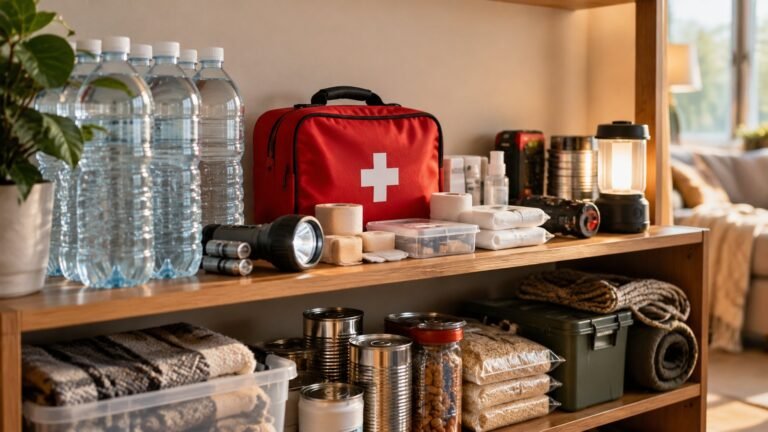
Ready.gov recommends having supplies for several days in case power or travel is disrupted. Focus on:
- Water and food that needs no cooking.
- At least a week of prescription medications if possible.
- Flashlights, headlamps or battery lanterns and extra batteries. See our emergency lighting guide.
- A battery-powered or hand-crank radio.
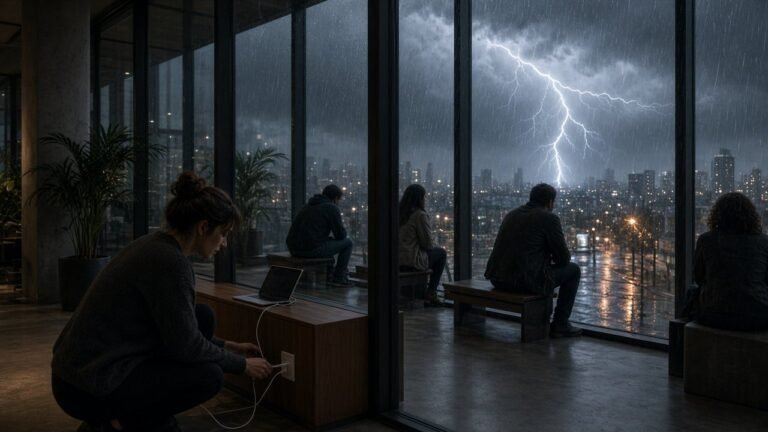
- Charged phones and power banks.
- Warm layers, blankets and sleeping bags.
- A first aid kit.
- Ice melt or sand for steps, if you are responsible for them.
Power and heat planning
Ice storms are a leading cause of long winter outages. Think through how you will stay warm if the power is out for days. Our guide to preparing for a winter power outage covers layering, warming a single room and when to leave for a warming center.
If anyone in your household depends on powered medical equipment, plan for backup power or a place to go before the storm arrives. Contact your utility about any medical priority programs it offers.
Pipes
The Red Cross recommends steps to keep pipes from freezing during extreme cold and outages: let faucets drip, open cabinet doors under sinks to let warmer air circulate and keep the thermostat at a steady temperature while you have power. Renters should report heating problems to management right away.
Your car
If you have a car, fill the gas tank before the storm and keep a winter kit inside. Our car emergency kit checklist lists the essentials. Park away from trees and power lines when possible, since ice-laden limbs often fall on vehicles.

During the Storm: Staying Safe Indoors
The safest place during an ice storm is inside. Here’s how to stay safe while you wait it out.
Heating safely
Without power, people often turn to unsafe heat sources. Fire and carbon monoxide risks rise during winter outages.
- Never use a generator, grill, camp stove or charcoal indoors, including in garages, basements or on balconies close to openings. Carbon monoxide can build up quickly and has no smell.
- Never use an oven or stovetop to heat your home.
- Space heaters: the U.S. Fire Administration and NFPA advise keeping them at least 3 feet from anything that can burn, plugging them directly into a wall outlet and turning them off when you leave the room or go to sleep.
- Test smoke and carbon monoxide alarms before the storm.
Anyone using a generator should follow our generator safety guide, which covers placement far from windows, doors and vents.
Food safety
Keep refrigerator and freezer doors closed as much as possible. Food safety guidance generally says a closed refrigerator keeps food safe for about 4 hours and a full freezer about 48 hours. Our food safety timelines guide explains what to keep and what to toss.
Stay informed
Keep a radio or a charged phone handy for updates. Text rather than call when networks are busy, and conserve battery by dimming screens and closing apps.
Downed Power Lines and Falling Limbs
Ice storms bring down lines and trees across entire neighborhoods. Downed lines are one of the most serious hazards during and after the storm.
According to Ready.gov and utility safety guidance:
- Assume every downed line is live and dangerous.
- Stay far away from downed lines and anything touching them, including fences, cars, puddles and tree branches.
- Never try to move a line or a branch tangled in one.
- Report downed lines to your utility and call 911 if there is immediate danger.
- If a line falls on your car while you are inside, stay in the car unless it catches fire, and call 911. If you must get out because of fire, jump clear without touching the car and the ground at the same time, then shuffle away with small steps.
Falling limbs are a danger even after freezing rain ends. Ice-coated branches can snap hours later, especially when the wind picks up. Avoid walking or parking under trees until the ice melts.

Falling Ice From Buildings
Cities have a hazard rural areas rarely see: ice sheets and icicles falling from tall buildings, scaffolding, bridges and overhead signs. As temperatures rise after a storm, ice that built up on upper floors can break free and fall onto sidewalks below.
Practical steps:
- Watch for posted warning signs and sidewalk closures near tall buildings.
- Walk away from building edges when ice is melting, and avoid lingering under ledges, awnings and scaffolding.
- Report dangerous ice buildup to building management or your city’s non-emergency line.
Building owners and managers should check rooftops, ledges and awnings and close sidewalks when needed. If you manage a building or serve on a board, add this to your winter checklist.

Walking Safely on Ice
Falls on ice are among the most common injuries during and after ice storms. Many safety agencies suggest walking with a “penguin” gait.
- Take short, shuffling steps.
- Keep your weight over your front foot.
- Walk with your arms out to the sides for balance, and keep your hands out of your pockets.
- Wear boots with good traction, or add removable traction cleats.
- Treat every dark, shiny surface as potential black ice.
- Use handrails on stairs and be extra careful getting in and out of vehicles.
Carry less so you can keep your balance, and allow more time to get where you are going. Older adults and anyone with balance issues may want to stay in until sidewalks are cleared and treated.

Driving on Ice
The safest advice during an ice storm is not to drive at all. If you must travel:
- Slow down well below the posted limit and increase following distance.
- Remember that bridges, overpasses and ramps often freeze first.
- Brake gently, and avoid sudden steering.
- Clear all ice from windows, mirrors and lights before you go.
- Tell someone your route and expected arrival.
Watch for downed trees and lines across roads. Never drive over a downed line. Treat dark traffic signals as all-way stops.

After the Storm
The danger continues after the freezing rain ends.
- Check on neighbors, especially older adults and people living alone, as long as you can do so safely.
- Inspect your apartment for burst pipes or leaks, and report problems to management.
- Watch for falling ice and limbs as things begin to thaw.
- Use generators safely and keep them outdoors and away from windows, doors and vents.
- Throw out food that has been above 40°F for more than two hours.
- Document damage with photos for insurance claims.
- Stay patient with outages, since crews must clear trees and repair lines across wide areas.
If your home becomes too cold to stay in, go to a warming center or a friend’s home. Local officials usually announce warming centers during long outages.

Ice Storm Preparedness Checklist
A printable summary of the key steps.
Before the storm:
- Charge phones and power banks.
- Stock several days of water, no-cook food and medications.
- Gather flashlights, batteries and a radio.
- Test smoke and CO alarms.
- Fill your car’s gas tank and move it away from trees and lines.
- Plan for heat and medical power needs.
During the storm:
- Stay indoors and off roads.
- Never use generators, grills or stoves for indoor heat.
- Keep fridge and freezer closed.
- Stay away from downed lines.
After the storm:
- Watch for falling ice and limbs.
- Walk with short steps and use traction aids.
- Check on neighbors and document damage.

Frequently Asked Questions

Frequently Asked Questions
What is the difference between freezing rain and sleet? Freezing rain falls as liquid and freezes on contact with cold surfaces, forming a glaze. Sleet refreezes into ice pellets before it reaches the ground and usually bounces when it hits.
What does an Ice Storm Warning mean? The National Weather Service issues it when damaging ice accumulation is expected or occurring. Thresholds vary by region but often start around a quarter inch of ice.
How do I stay warm in an apartment during an ice storm outage? Layer clothing, gather in one room with doors closed, use blankets and sleeping bags and go to a warming center if it becomes unsafe. Never use stoves, grills or generators for indoor heat.
What should I do if I see a downed power line? Stay far away from it and anything it touches, assume it is live and report it to your utility. Call 911 if there is immediate danger.
Why does ice fall from buildings after a storm? As temperatures rise, ice that built up on tall buildings, ledges and structures breaks free and can fall onto sidewalks. Walk away from building edges during a thaw.
How should I walk on icy sidewalks? Take short, shuffling steps, keep your weight over your front foot, keep your hands free for balance and wear footwear with good traction.

The Bottom Line
Ice storms combine power outages, falling limbs, slick sidewalks and dangerous heating mistakes. Most of the risk can be managed with simple preparation: stock up, plan for heat, stay inside, keep away from downed lines and walk carefully. For the full range of storm hazards, see our severe weather preparedness guide.