Basement Apartment Flood Safety: How to Prepare, When to Get Out and What to Do After
This post may contain affiliate links, full disclosure here.
Quick answer: Basement and below-grade apartments can fill with water in minutes during intense rain, so the most important steps happen before a storm. Sign up for local emergency alerts, learn your building’s flood history, keep valuables and documents off the floor and know two ways out. When a Flash Flood Warning is issued or water starts entering, move to higher floors immediately, and never stay in a basement unit that is filling with water. Standard renters insurance usually excludes flood damage, so ask about separate flood coverage.
Millions of city residents live in basement, cellar or garden-level apartments. These units are often more affordable, but they carry a serious and sometimes overlooked risk: water flows downhill, and during intense rainfall it can pour through doors, windows, drains and walls far faster than people expect.
The danger became painfully clear in September 2021, when the remnants of Hurricane Ida dropped record rainfall on New York City. City officials reported that most of the people who died in the city during the storm drowned in basement apartments that flooded rapidly. Since then, New York and other cities have worked on alerts and outreach for basement residents.
This guide explains how to judge your risk and what to do before, during and after heavy rain. It is part of our severe weather preparedness guide, and it builds on our general flood safety guide.
Sources: National Weather Service, flood safety and Flash Flood Warning definitions and the “Turn Around Don’t Drown” campaign; Ready.gov, Floods; FEMA, National Flood Insurance Program (NFIP) and FloodSmart.gov; New York City Emergency Management, flood safety guidance for basement residents and Notify NYC; Insurance Information Institute, renters insurance and flood coverage. General information; follow evacuation orders and instructions from local officials. Checked October 2026.

Why Basement Apartments Flood So Fast
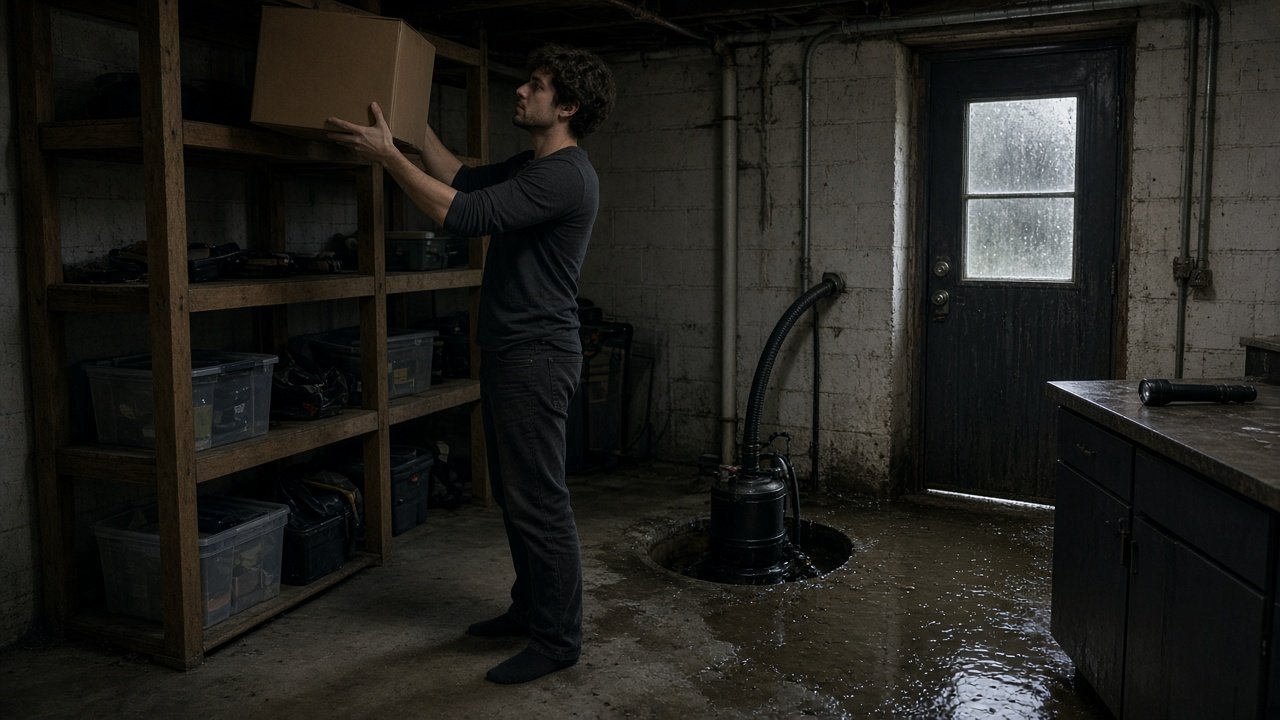
Basement units sit at or below ground level, so they are the first place water collects. During heavy rain, several things can happen at once.
- Surface water pours in through doorways, window wells and stairwells that open below street level.
- Sewers back up when storm drains are overwhelmed, pushing water up through floor drains, toilets and sinks.
- Groundwater rises and seeps through walls and floors.
- Nearby streams or rivers overflow during longer storms.
Urban areas make this worse. Pavement and rooftops do not absorb water, so rain runs off quickly into streets and sewers that can only handle so much at once. The NWS notes that flash floods can develop within minutes to a few hours of intense rainfall, sometimes far from any river.
Because basement flooding can be so fast, waiting to see how bad it gets is the wrong approach. Plans need to be in place before the rain starts.

How to Know Your Flood Risk
Several sources can help you understand your apartment’s exposure.
Ask about history
Ask your landlord, building manager and longtime neighbors whether the unit or building has flooded before. Look for warning signs such as water stains, damaged baseboards, mildew smells or sandbags stored nearby.
Check flood maps
FEMA’s Flood Map Service Center shows official flood zones. Some cities also publish stormwater flood maps that model where heavy rainfall tends to pool, which matters for basement units even outside mapped flood zones.
Look at the layout
Note how water could enter. Are there steps down from the sidewalk? Window wells? Floor drains? A unit with a single exit down an exterior stairwell is at higher risk, because water can pour down the stairs and block the only way out.

Sign Up for Alerts
Early warning gives you time to move to safety. Set up several layers of alerts:
- Wireless Emergency Alerts on your phone, which carry Flash Flood Warnings and other urgent alerts.
- Your city’s alert system, such as Notify NYC in New York, which may send targeted messages to basement residents.
- A weather app with NWS alerts for your location.
- A battery-powered weather radio for alerts when phones and power fail.
Understand the alert levels. The NWS issues a Flash Flood Watch when conditions are favorable for flash flooding and a Flash Flood Warning when flash flooding is happening or about to happen. A Flash Flood Emergency is issued for rare, life-threatening situations with severe flooding underway. If you live in a basement unit, treat a Flash Flood Warning as a signal to move upstairs.

Plan Two Ways Out
Every basement resident needs an exit plan that works when water is coming in.
- Identify two ways out if possible, such as a door to the street and an interior stair to the building above.
- Keep exits clear of furniture, storage and boxes.
- Know where you will go upstairs, whether a neighbor’s apartment, a building lobby or a friend nearby. Arrange it ahead of time.
- Practice the route at night, since many heavy rain events happen after dark.
- Plan for anyone who needs help, including children, older adults, people with disabilities and pets.
Never go into a basement or stay in one when water is rising. Water can rise quickly, doors can become impossible to open against water pressure and electrical hazards can develop. If you are unsure, leave.

Protect Your Belongings and Documents
Water damage in a basement unit can destroy belongings in minutes. Simple steps reduce losses:
- Store important documents in a waterproof container, and keep digital copies. Our emergency documents guide explains what to gather.
- Keep valuables, electronics and sentimental items on high shelves.
- Use plastic bins instead of cardboard for floor-level storage.
- Raise furniture on risers where practical.
- Take photos or video of your belongings for insurance.
Keep a go-bag near the exit with medications, chargers, ID, cash, a flashlight and a change of clothes. Our urban go-bag checklist covers the basics.

Flood Insurance for Renters
Standard renters insurance usually does not cover flood damage, according to the Insurance Information Institute. That gap catches many basement tenants off guard.
Renters can buy contents-only coverage through FEMA’s National Flood Insurance Program. NFIP contents coverage for renters is available up to $100,000. Policies generally have a 30-day waiting period before coverage starts, so it must be bought well before a storm. Private flood insurance is also available in many areas.
Your landlord’s flood policy, if there is one, typically covers the building, not your belongings. Ask your insurance agent or visit FloodSmart.gov to compare options.

Planning for Children, Older Adults, Pets and Medical Needs
Basement flooding leaves little time, so anyone who needs help moving should have a plan made in advance. Ready.gov encourages households to plan around each member’s specific needs.
- Children: Teach kids the exit route and where to go upstairs. Practice it with them, and keep shoes and a flashlight by each bed so no one has to search in the dark.
- Older adults and people with disabilities: Identify who will help, how and by which route. If stairs are difficult, consider whether a ground-floor or upper-floor arrangement during heavy rain warnings makes sense. Keep mobility aids, hearing aids and glasses within reach.
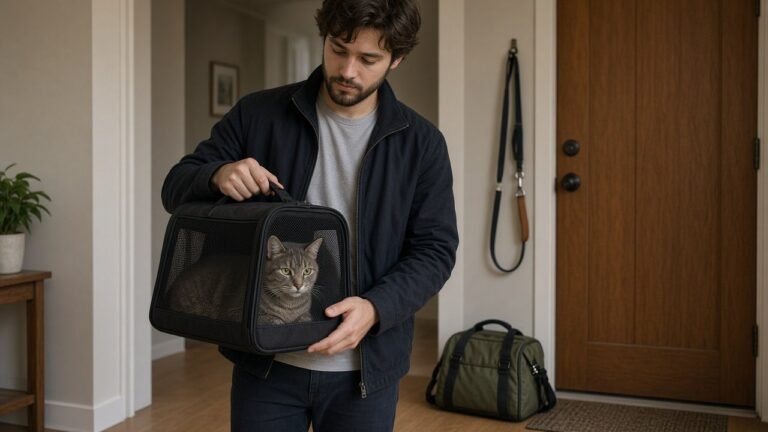
- Pets: Keep carriers and leashes near the exit, and include pet food and records in your go-bag. Leaving pets in a flooding basement is never safe.
- Medical equipment and medications: Keep a supply of medications in a waterproof bag in your go-bag. If anyone relies on powered medical devices, plan for backup power somewhere upstairs or at a nearby location, since basement outlets may be under water or shut off.
Share your plan with an upstairs neighbor or the building superintendent so someone knows to check on you during a storm. A quick knock on the door during a Flash Flood Warning can save a life, especially for people who sleep heavily or do not hear phone alerts.

Sewer Backup and Other Coverage Gaps
Flood insurance and renters insurance treat water damage differently. According to the Insurance Information Institute, damage from sewer or drain backup is usually not covered by a standard policy, but many insurers sell a sewer and drain backup endorsement as an inexpensive add-on. Basement tenants should ask about it, along with flood coverage, when they buy or renew a renters policy.

What Landlords and Buildings Can Do
Tenants cannot fix structural problems alone, but they can ask management about measures that reduce flooding.
- Backwater valves that help prevent sewer water from flowing back into the building.
- Sump pumps with battery backup.
- Grading and drainage that move water away from entrances.
- Raised thresholds or flood barriers at doors and stairwells.
- Keeping drains and window wells clear of debris.
Report water problems, leaks and blocked drains to management in writing. Local housing rules for basement units vary widely, and some cities have legal requirements for exits, windows and ceiling height. Your local housing agency can explain what applies to your building.

During Heavy Rain: What to Do
When heavy rain is forecast or a Flash Flood Warning is issued:
- Monitor alerts and be ready to move.
- Charge your phone and keep your go-bag ready.
- Move to a higher floor if water starts to enter or a Flash Flood Warning is issued for your area.
- Do not try to save belongings once water is coming in.
- Avoid electrical hazards. Do not touch electrical equipment if you are wet or standing in water. Only shut off power at the breaker if you can reach it without standing in water.
- Call 911 if you are trapped or someone needs rescue.
If you are told to evacuate, leave immediately. Ready.gov advises against walking or driving through floodwater. The NWS notes that just 6 inches of moving water can knock an adult down and 12 inches can carry away most cars. Turn Around Don’t Drown.

After the Flood
Returning to a flooded apartment brings its own hazards.
- Wait for the all-clear from officials and make sure the building is safe.
- Do not enter if electricity is still on and water is present; have a professional check the electrical system first.
- Assume floodwater is contaminated with sewage and chemicals. Wear gloves, boots and a mask while cleaning.
- Photograph all damage before cleaning for insurance claims and landlord records.
- Notify your landlord in writing and keep copies.
- Dry out quickly with fans and ventilation, and remove wet porous materials such as carpet and drywall to limit mold, according to Ready.gov.
- Throw away food and medicine that touched floodwater.
FEMA may offer disaster assistance after a federal disaster declaration, including help for renters with temporary housing and personal property. Register at DisasterAssistance.gov if one is declared.

Shelter-in-Place vs. Leaving
Floods are different from many other emergencies. For some hazards, sheltering in place is the right call; see our shelter-in-place guide for details. For basement flooding, the safe move is up, not staying put. Go to higher floors in your building or leave if instructed.
If you live in a hurricane-prone area, follow the timeline in our hurricane preparedness checklist, which includes evacuation zones and storm surge.

Basement Apartment Flood Checklist
Before rain season:
- Learn your unit’s flood history and check flood maps.
- Sign up for local alerts and enable Wireless Emergency Alerts.
- Plan two ways out and a place to go upstairs.
- Put documents and valuables up high in waterproof containers.
- Buy flood insurance for your belongings.
- Ask management about backwater valves, pumps and drains.
When heavy rain comes:
- Watch alerts and keep your go-bag ready.
- Move up at the first sign of water or a Flash Flood Warning.
- Avoid electrical hazards and floodwater.
After:
- Wait for the all-clear.
- Document damage and notify your landlord.
- Clean safely and dry out fast.

Frequently Asked Questions

Frequently Asked Questions
Are basement apartments dangerous during floods? They can be. Basement units are the first to fill when surface water, sewer backups or rising groundwater enter a building, and flash flooding can happen within minutes during intense rain.
What should I do if water starts coming into my basement apartment? Leave immediately and move to a higher floor or safe location. Do not try to save belongings, avoid electrical hazards and call 911 if you are trapped.
Does renters insurance cover basement flooding? Standard renters policies usually exclude flood damage. Renters can buy contents coverage through the NFIP, up to $100,000, or private flood insurance. Some policies offer limited sewer backup coverage as an add-on.
How long does flood insurance take to start? NFIP policies generally have a 30-day waiting period, so buy coverage well before storm season.
What is the difference between a Flash Flood Watch and Warning? A watch means flash flooding is possible. A warning means it is happening or about to happen, and basement residents should move to higher ground.
What can my landlord do to reduce flooding? Measures include backwater valves, sump pumps with battery backup, better drainage and flood barriers at doors and stairwells. Report water problems in writing.

The Bottom Line
Basement apartment flooding can turn deadly faster than almost any other city hazard. Know your risk, get alerts, plan two ways out, protect your belongings and buy flood coverage. When water starts coming in, go up and get out. For the wider storm picture, see our severe weather preparedness guide.