Severe Weather Preparedness Guide: Alerts, Kits and What to Do for Every Major Hazard
This post may contain affiliate links, full disclosure here.
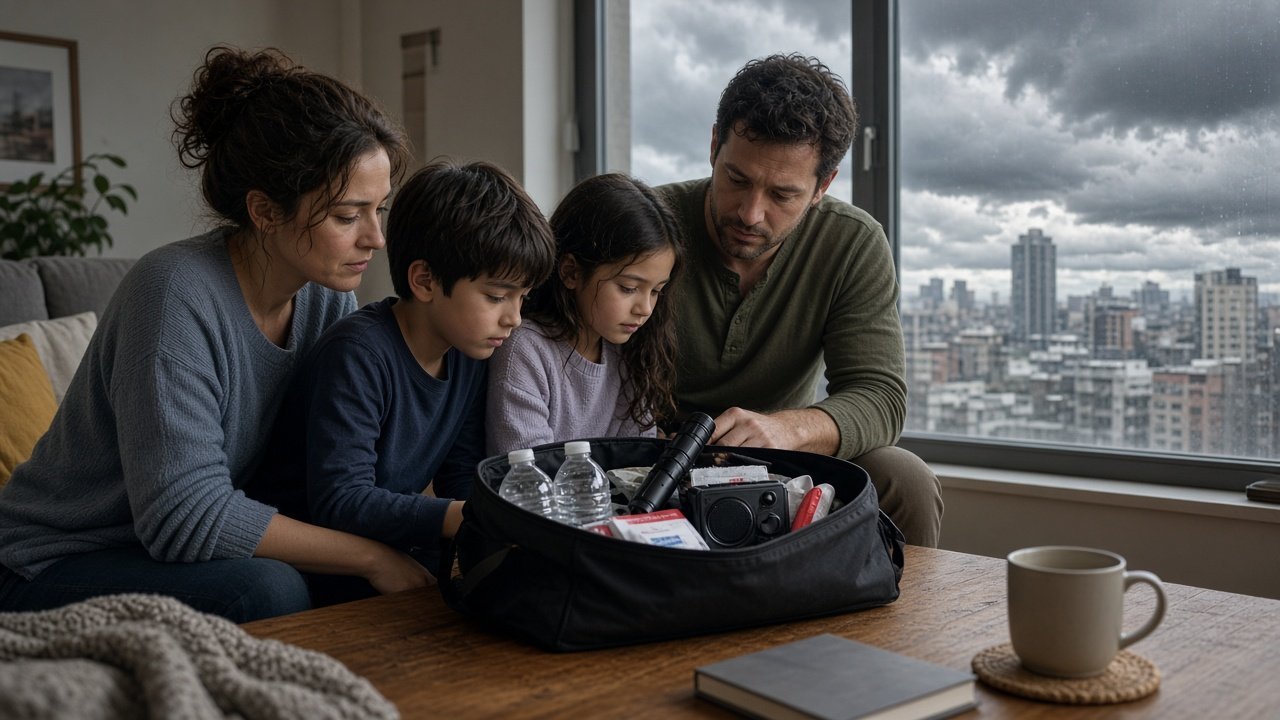
Quick answer: severe weather preparedness comes down to three steps that Ready.gov and the National Weather Service (NWS) repeat for every hazard: get alerts, make a plan and build a kit. Turn on Wireless Emergency Alerts and keep a NOAA Weather Radio, learn the difference between a watch (conditions are favorable) and a warning (the hazard is happening or imminent, act now), know where you will shelter for each hazard, and keep several days of water (about one gallon per person per day), food, light, medications, batteries and a first aid kit. Then learn the specific actions for thunderstorms and lightning, tornadoes, hurricanes, floods, winter storms and extreme heat.
Every part of the country faces some kind of dangerous weather. Coastal cities face hurricanes and storm surge. The Plains and Southeast face tornadoes. Northern cities face blizzards and ice. Heat waves now affect nearly everywhere, and flash floods can hit any neighborhood with enough rain and pavement.
In this guide
- Step 1: Understand Weather Alerts
- Step 2: Make Sure Alerts Can Reach You
- Step 3: Make a Household Plan
- Step 4: Build a Core Severe Weather Kit
- Thunderstorms and Lightning
- Tornadoes
- Hurricanes and Tropical Storms
- Floods and Flash Floods
- Winter Storms, Ice and Extreme Cold
- Extreme Heat
- Wildfire Smoke
- Power Outages: The Common Thread
- Focus on the Hazards Your City Actually Faces
- Keeping Your Preparedness Current
- Before, During and After: A Quick Timeline
- Special Considerations for City Residents
- Frequently Asked Questions
- Frequently Asked Questions
- The Bottom Line
City living changes how those hazards play out. High-rise residents lose elevators and water pressure in outages. Basement apartments flood quickly. Pavement and buildings hold heat. Many households have no car to evacuate with and limited space for supplies.
This guide is the hub for our severe weather coverage. It explains how alerts work, what every household should keep on hand and the key actions for each major hazard, with links to our detailed guides on each one. If you live in an apartment, pair it with our apartment emergency kit guide.
Sources: National Weather Service (NOAA), Weather Safety pages for thunderstorms, lightning, tornadoes, floods (Turn Around Don’t Drown), winter weather and heat, plus watch/warning/advisory definitions and NOAA Weather Radio; National Hurricane Center, Saffir-Simpson Hurricane Wind Scale and storm surge guidance; Ready.gov, Build a Kit, Make a Plan, and hazard pages; FEMA, Wireless Emergency Alerts and the FEMA App; Centers for Disease Control and Prevention, carbon monoxide poisoning prevention and heat-related illness pages. General safety information; always follow instructions from local officials. Checked October 2026.
Step 1: Understand Weather Alerts
The NWS uses a consistent set of terms. Knowing them tells you how urgently to act.
| Alert | What it means | What to do |
|---|---|---|
| Outlook | Hazardous weather is possible in the coming days | Review plans and check supplies |
| Watch | Conditions are favorable for the hazard to develop | Be prepared; know where you will go and monitor updates |
| Warning | The hazard is occurring, imminent or highly likely | Take protective action now |
| Advisory | A less serious hazard that could still cause inconvenience or danger | Use caution |
A tornado watch, for example, means conditions could produce tornadoes in and near the watch area. A tornado warning means a tornado has been sighted or indicated by radar, and you should take shelter immediately. The same logic applies to flood, winter storm, hurricane and heat alerts.
Step 2: Make Sure Alerts Can Reach You
Relying on a single alert source is risky, especially at night or during a power outage. Ready.gov and the NWS recommend several layers:
- Wireless Emergency Alerts (WEA). These are sent by authorized officials to compatible phones in an affected area, including NWS warnings for tornadoes, flash floods and other hazards. Check that emergency alerts are turned on in your phone settings.
- NOAA Weather Radio. A dedicated radio receives NWS broadcasts around the clock and can sound an alarm for warnings in your area, even if cell networks are down. Our guide to NOAA weather radios and hand-crank radios explains features to look for.
- The FEMA App. Ready.gov notes it can deliver NWS weather alerts for up to five locations, which is useful for checking on relatives elsewhere.
- Local alerts. Many cities and counties run their own text or email alert systems. Sign up through your local emergency management office.
- Local TV and radio, which carry the Emergency Alert System.
Tell everyone in your household how to receive alerts, including teenagers and older relatives.

Step 3: Make a Household Plan
Ready.gov’s planning guidance asks every household to answer a few questions before an emergency:
- How will we receive alerts and warnings?
- What is our shelter plan for each hazard?
- What is our evacuation route, and where would we go?
- What is our household communication plan?
For city residents, add:
- Where is the safest interior room or hallway in our building for a tornado?
- Is our building or neighborhood in a flood or storm surge zone?
- How would we evacuate without a car?
- Who will check on elderly neighbors or relatives?
- How would we manage if elevators and water pumps stop?
Write the plan down, share it with everyone in the household and practice the parts that involve moving quickly, such as getting to a tornado shelter spot.
Step 4: Build a Core Severe Weather Kit
Ready.gov’s basic disaster supply kit is the foundation for nearly every weather hazard. It includes:
- Water, about one gallon per person per day for several days, for drinking and sanitation.
- Food, at least a several-day supply of nonperishable food.
- A battery-powered or hand-crank radio and a NOAA Weather Radio with tone alert.
- A flashlight and extra batteries.
- A first aid kit.
- A whistle to signal for help.
- Dust masks, plastic sheeting and duct tape.
- Moist towelettes, garbage bags and plastic ties for sanitation.
- A wrench or pliers to turn off utilities.
- A manual can opener.
- Local maps.
- A cell phone with chargers and a backup battery.
Add prescription medications, glasses, infant and pet supplies, important documents and some cash. For hazards that cut power for days, backup power matters too. Our emergency power guide compares power stations, generators and other options, and our guide to food safety in a power outage explains how long refrigerated food stays safe.
Thunderstorms and Lightning
Thunderstorms are the most common severe weather in much of the country. The NWS classifies a thunderstorm as severe when it produces hail at least one inch in diameter, winds of 58 mph or stronger, or a tornado. Severe storms can bring down trees and power lines, cause flash flooding and produce dangerous lightning.
The NWS lightning safety message is simple: when thunder roars, go indoors. No place outside is safe when a thunderstorm is in the area. Key points:
- Get inside a substantial building with plumbing and wiring, or a hard-topped vehicle with the windows up.
- Stay inside until 30 minutes after the last thunder you hear.
- Indoors, avoid corded phones, plumbing and electrical equipment connected to outlets during the storm.
- Picnic shelters, tents, dugouts and open porches do not protect you from lightning.
City residents are often caught outdoors on balconies, rooftops, at parks and while walking between transit and home. Check the forecast before outdoor plans and move indoors at the first rumble.
Tornadoes
Tornadoes can form quickly and with little warning. The NWS advises that when a tornado warning is issued for your area, you should go immediately to your safe place:
- In a house: go to a basement or storm cellar if you have one. Otherwise, go to an interior room on the lowest floor, away from windows, such as a closet, bathroom or hallway.
- In an apartment or high-rise: move to an interior hallway or room on the lowest floor you can reach quickly, away from windows. Do not use elevators.
- In a mobile home: leave and go to a sturdy building or storm shelter. Mobile homes offer little protection.
- Outdoors or in a vehicle: seek a sturdy building. If none is reachable, follow NWS guidance for last-resort options.
Cover your head and neck with your arms, a mattress or helmets. Our detailed guide to tornado safety for your home and family covers safe-room options, kits and what to do after a tornado.
Hurricanes and Tropical Storms
The Atlantic hurricane season runs from June 1 to November 30, and the eastern Pacific season begins May 15. Hurricanes bring a combination of threats: storm surge, wind, heavy rain, inland flooding and tornadoes.
The National Hurricane Center rates hurricane winds on the Saffir-Simpson Hurricane Wind Scale:
| Category | Sustained winds | Typical damage |
|---|---|---|
| 1 | 74-95 mph | Some damage to roofs, siding, gutters and trees; likely power outages |
| 2 | 96-110 mph | Extensive damage; near-total power loss possible for days to weeks |
| 3 (major) | 111-129 mph | Devastating damage; electricity and water may be unavailable for days to weeks |
| 4 (major) | 130-156 mph | Catastrophic damage; areas may be uninhabitable for weeks or months |
| 5 (major) | 157 mph or higher | Catastrophic damage; high percentage of homes destroyed |
Keep in mind that the scale measures wind only. The National Hurricane Center stresses that storm surge and flooding often cause the most deaths, and even tropical storms and Category 1 hurricanes can produce deadly flooding.
Key actions:
- Know whether you live in a hurricane evacuation zone, and follow evacuation orders.
- A hurricane watch means hurricane conditions are possible, generally issued 48 hours before tropical-storm-force winds are expected. A hurricane warning means they are expected, generally issued 36 hours ahead.
- Secure or bring inside balcony furniture, plants and anything that could become a projectile.
- If you shelter in place, stay in an interior room away from windows on a floor above possible flooding.
Our hurricane preparedness checklist breaks down what to do before, during and after a storm.

Floods and Flash Floods
Flooding is one of the most common and deadly weather hazards. The NWS “Turn Around Don’t Drown” campaign highlights the danger of moving water:
- Six inches of fast-moving water can knock over an adult.
- About 12 inches of rushing water can carry away most cars.
- Two feet of rushing water can carry away most vehicles, including SUVs and pickups.
Flash floods can develop within minutes in cities, where pavement sends rainwater rushing into streets, underpasses, subway entrances and basements. Basement apartments are especially vulnerable. During the remnants of Hurricane Ida in September 2021, New York City officials reported that many of the city’s flood deaths occurred in basement apartments.
Key actions:
- Know whether your home is in a flood zone and whether you need separate flood insurance.
- When a flash flood warning is issued, move to higher ground immediately. In a basement unit, get to a higher floor.
- Never walk, swim or drive through floodwater.
- Stay away from underpasses and low-lying streets during heavy rain.
Our guide to flood safety and why you never drive through water covers preparation, sandbags and cleanup safety.
Winter Storms, Ice and Extreme Cold
Winter storms bring heavy snow, ice, high winds and dangerous cold. Ice accumulation can bring down trees and power lines, causing long outages in the coldest weather. Wind chill makes exposed skin lose heat faster, raising the risk of frostbite and hypothermia.
Key actions:
- Stock supplies before the storm: food, water, medications and ways to stay warm without power.
- Dress in layers and limit time outside.
- Know the signs of frostbite (numbness, white or grayish skin) and hypothermia (shivering, confusion, slurred speech, drowsiness), and get medical help when needed.
- Keep a winter kit in any vehicle you use.
Carbon monoxide is one of the most serious winter dangers. The CDC warns never to use a generator, grill, camp stove or other gasoline-, propane- or charcoal-burning device inside a home, garage or basement, or near a window, and to keep generators at least 20 feet from windows and doors. Install battery-powered CO alarms.
Our winter storm preparedness guide for your home and car covers heating, pipes and vehicle kits in depth.
Extreme Heat
Heat is a leading cause of weather-related deaths in the United States, according to the NWS. Cities can be hotter than surrounding areas because pavement and buildings absorb and release heat, an effect known as the urban heat island. Upper-floor apartments without air conditioning can become dangerous during a multi-day heat wave, especially during power outages.
The CDC lists warning signs of heat-related illness:
- Heat exhaustion: heavy sweating; cold, pale and clammy skin; fast, weak pulse; nausea or vomiting; muscle cramps; tiredness; dizziness; headache; fainting. Move to a cooler place, loosen clothing and sip water.
- Heat stroke: a body temperature of 103 degrees F or higher; hot, red, dry or damp skin; fast, strong pulse; headache; dizziness; nausea; confusion; losing consciousness. Call 911 right away. Heat stroke is a medical emergency.
Key actions:
- Know where your nearest cooling centers are.
- Check on older adults, people living alone and anyone with chronic illness.
- Drink water regularly and avoid strenuous activity in peak heat.
- Never leave children or pets in parked vehicles.
Our guide to extreme heat safety during heat waves and power outages explains how to keep an apartment cooler and what to do when the power goes out.
Wildfire Smoke
Wildfire smoke can travel hundreds of miles and affect cities far from any fire. Fine particles in smoke can irritate lungs and worsen heart and lung conditions. Check air quality on AirNow.gov, keep windows closed when air quality is poor, and use a clean air room with a portable air cleaner if you can. Our guide to wildfire smoke and indoor air in apartments walks through the details.
Power Outages: The Common Thread
Nearly every severe weather hazard can knock out power, sometimes for days. In cities, outages can also stop elevators, water pumps, traffic signals and transit. Preparing for outages covers a large share of weather preparedness:
- Keep flashlights or lanterns in easy-to-find places, not candles.
- Keep phones and power banks charged when severe weather is forecast.
- Know how to keep food safe and when to throw it out.
- Have a plan for medical devices that need electricity.
- Fill containers with water before a storm if your building relies on pumps.

Focus on the Hazards Your City Actually Faces
No household needs to prepare equally for everything. Start with the hazards most likely where you live and work, then build out from there. A few free tools help:
- FEMA’s National Risk Index maps community-level risk for 18 natural hazards, including hurricanes, tornadoes, riverine and coastal flooding, heat waves, cold waves, winter weather, lightning and wildfire, down to the county and census tract level.
- FEMA Flood Maps, available through the FEMA Flood Map Service Center, show official flood hazard areas, though flooding can and does happen outside mapped zones.
- Your local emergency management office usually publishes a hazard plan, evacuation zone maps and alert sign-up links.
- NWS forecast office pages for your area list local climate risks and seasonal safety campaigns.
Use what you learn to set priorities. A household in a coastal evacuation zone should put hurricane and storm surge plans first. Families in basement apartments should prioritize flash flood readiness, while residents of top-floor units without air conditioning should start with heat. Then revisit the plan each year, since buildings, neighborhoods and household needs change.
Keeping Your Preparedness Current
Preparedness is not a one-time project. Set a reminder twice a year, such as when clocks change, to:
- Test smoke and CO alarms and your weather radio.
- Rotate stored water and check food and medication dates.
- Replace batteries and recharge power banks.
- Review your household plan and contact list.
Before, During and After: A Quick Timeline
Before the season or forecast:
- Sign up for alerts and test your weather radio.
- Build or refresh your kit and check medications.
- Learn your evacuation zone and shelter spots.
- Review insurance, including flood coverage.
When a watch is issued:
- Charge devices, fill water containers and fuel any vehicle you use.
- Bring in or secure outdoor and balcony items.
- Review where everyone will go if a warning is issued.
When a warning is issued:
- Take protective action immediately: shelter, move to higher ground or evacuate as directed.
- Keep monitoring alerts.
After the storm:
- Wait for officials to say it is safe before going outside or returning home.
- Stay away from downed power lines and floodwater.
- Check on neighbors.
- Photograph damage for insurance before cleaning up.
- Use generators outdoors only, far from windows and doors.
Special Considerations for City Residents
- High-rise residents should know their building’s emergency procedures and plan for days without elevators or water pressure.
- Basement and ground-floor residents face the highest flood risk and should have a clear plan to move to higher floors.
- Residents without cars should know public evacuation options and transit plans in advance, and arrange rides with friends or family.
- Renters should confirm what their insurance covers, since landlord policies do not cover tenants’ belongings.
- Balconies hold furniture, grills and plants that can become projectiles in high winds. Bring them inside before storms.
Frequently Asked Questions
Frequently Asked Questions
What is the difference between a weather watch and a warning? A watch means conditions are favorable for the hazard to develop, so be prepared. A warning means the hazard is happening or imminent, so take protective action now.
What should be in a severe weather kit? Ready.gov recommends several days of water (about one gallon per person per day) and food, a battery or crank radio with a NOAA Weather Radio, flashlight, batteries, first aid kit, whistle, dust masks, sanitation supplies, tools, maps and phone chargers, plus medications and important documents.
Where should I go during a tornado in an apartment? Move to an interior hallway or room on the lowest floor you can reach quickly, away from windows. Do not use elevators.
How long should I wait after thunder to go back outside? The NWS recommends waiting 30 minutes after the last thunder before going back outdoors.
How much water does it take to sweep away a car? According to the NWS, about 12 inches of rushing water can carry away most cars, and two feet can carry away most vehicles, including SUVs and pickups.
What are the signs of heat stroke? The CDC lists a body temperature of 103 degrees F or higher, hot red dry or damp skin, a fast strong pulse, headache, dizziness, nausea, confusion and losing consciousness. Call 911.

The Bottom Line
Severe weather preparedness is the same three habits applied to different hazards: get alerts from more than one source, know what action each hazard requires and keep supplies to ride out several days without power or stores. Start with alerts and a core kit, then use our hazard guides to fill in the details for the weather your city faces most.