Tornado Safety: How to Prepare Your Home and Your Family
This post may contain affiliate links, full disclosure here.
Quick answer: when a tornado warning is issued, go immediately to the lowest floor of a sturdy building, into a small interior room away from windows, and cover your head and body. A tornado watch means conditions are right for one to form, so review your plan and keep your phone and radio close.
Tornadoes can form quickly and give little warning. They are most common in the central United States, but they have been recorded in every state. The National Weather Service (NWS) and FEMA stress that the people who do best are the ones who decided what to do before the sky turned green.
Watch vs. Warning
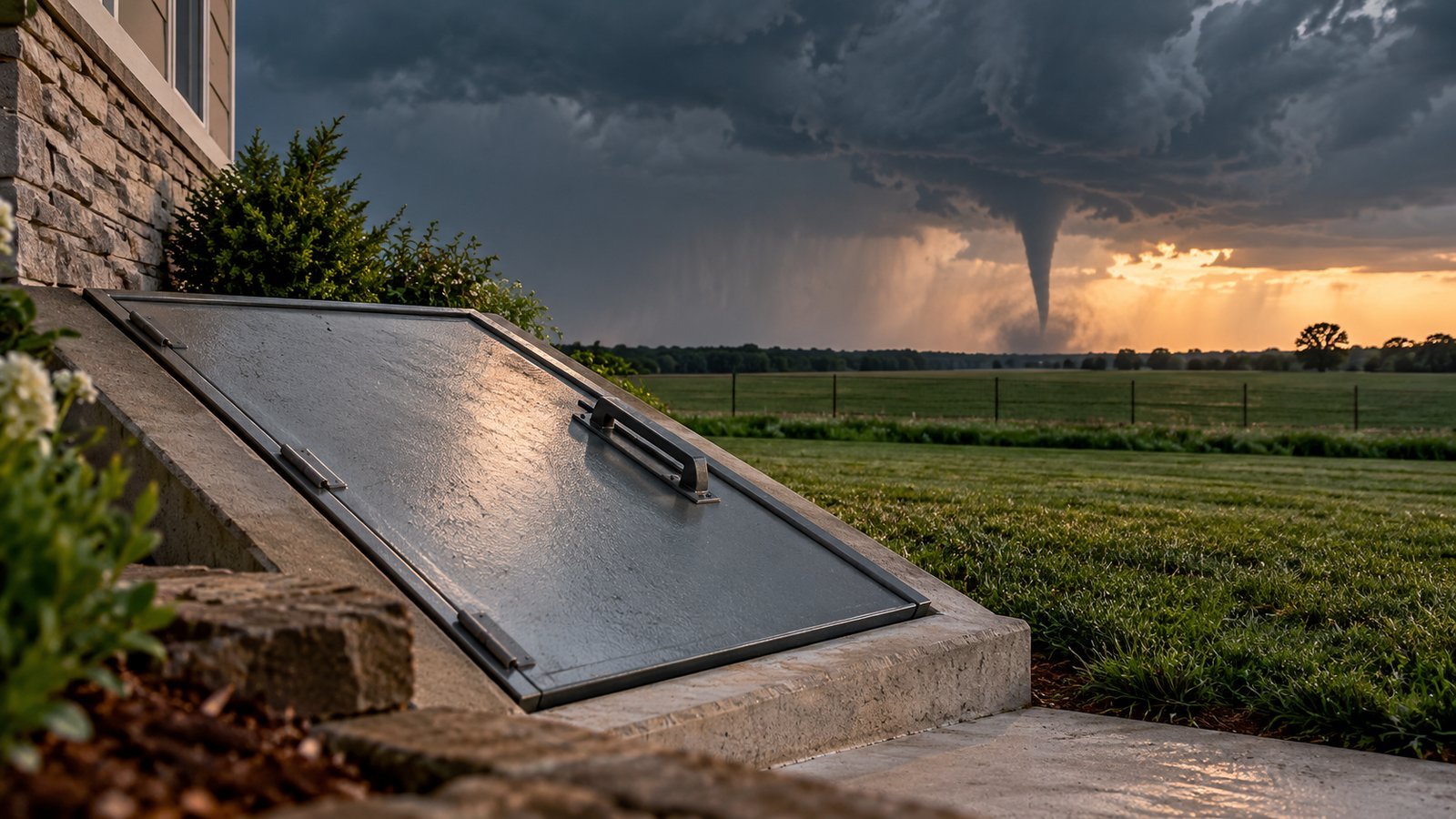
These two words matter. A tornado watch means tornadoes are possible in your area. It is time to be ready: check your shelter, charge your phone, and keep an eye on the weather. A tornado warning means a tornado has been seen or is indicated by radar. That means act now. Many people wait to hear a siren. Outdoor sirens are meant for people outside and may not be heard indoors, so do not rely on them alone.
Get alerts in more than one way: wireless emergency alerts on your phone, a NOAA weather radio with a battery backup, and local TV or radio. Our 72-hour kit checklist is worth reading before storm season.
Where to Shelter
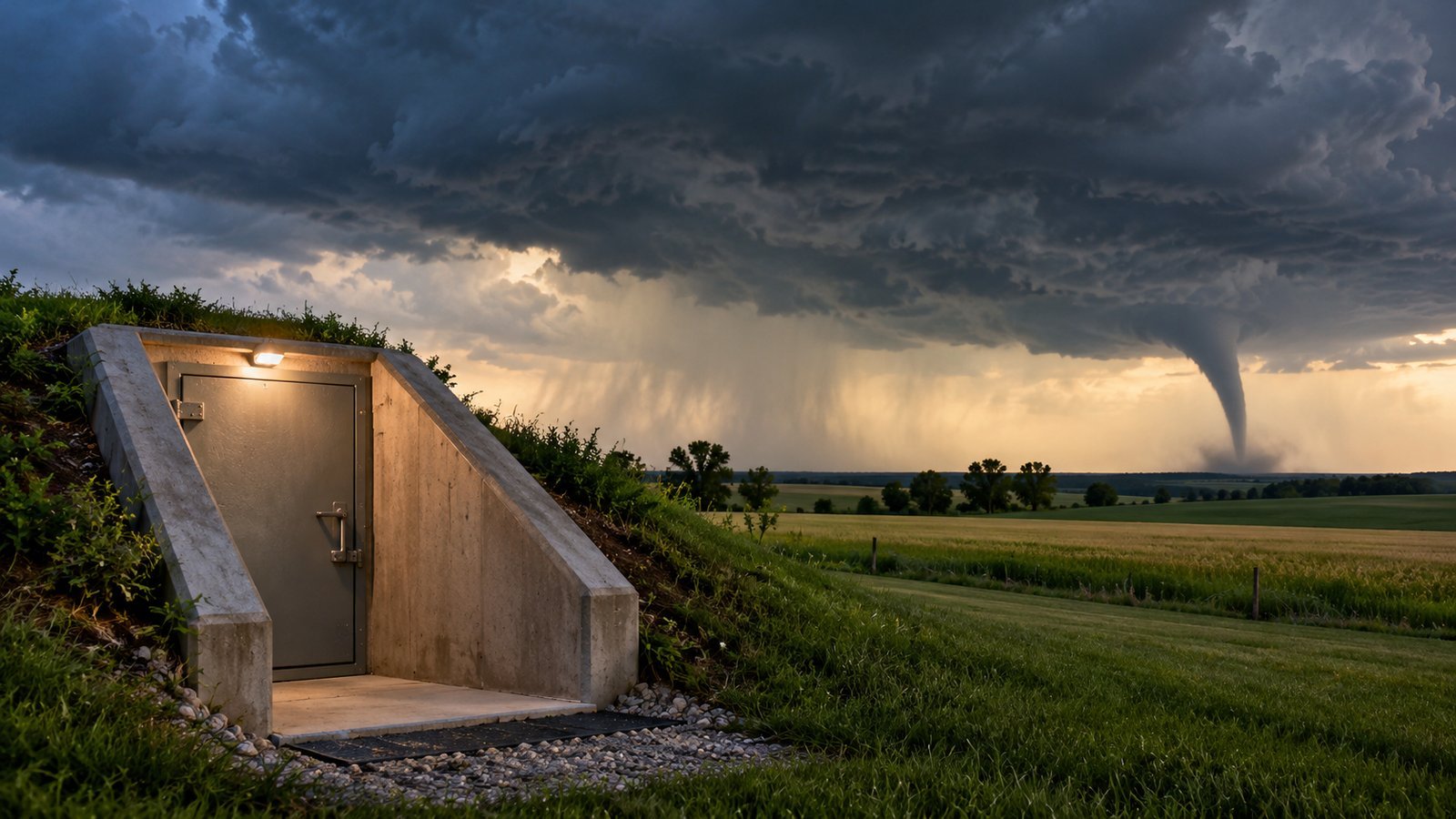
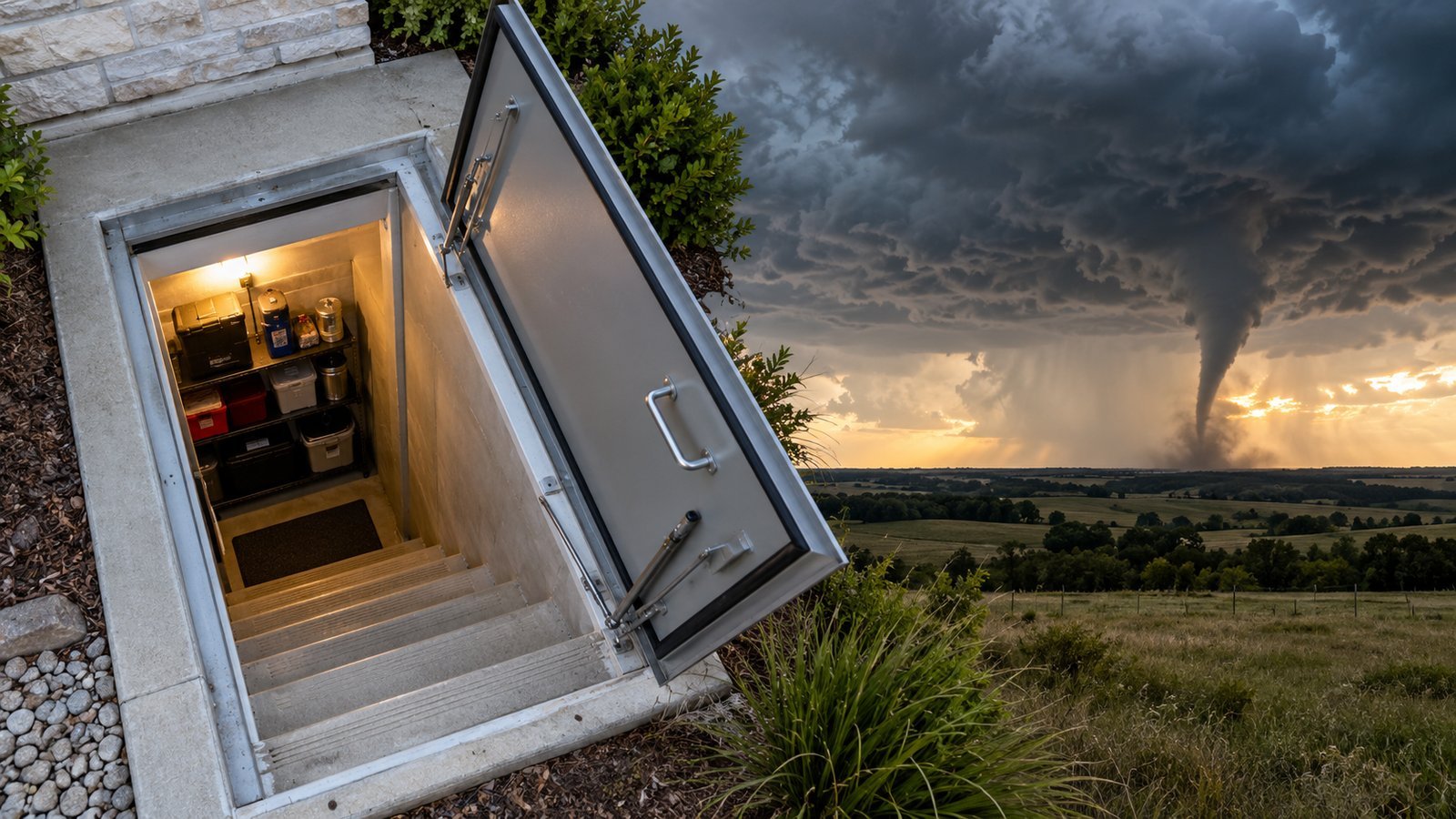
Ready.gov and the National Weather Service give the same core advice. The best protection is a safe room built to FEMA criteria or a storm shelter built to ICC 500 standards. The next best choice is a small, interior, windowless room or a basement on the lowest level of a sturdy building. Stay away from windows, doors and outside walls. Use your arms to protect your head and neck, and put materials such as furniture and blankets around or on top of you.
In an apartment, go to the lowest floor, preferably an interior hallway or a first-floor unit of a neighbor who has a safer space. In a school, hospital or office, follow the building plan and go to the designated area. In a large open building such as a store or gym, move to a smaller interior room.
Mobile Homes and Vehicles
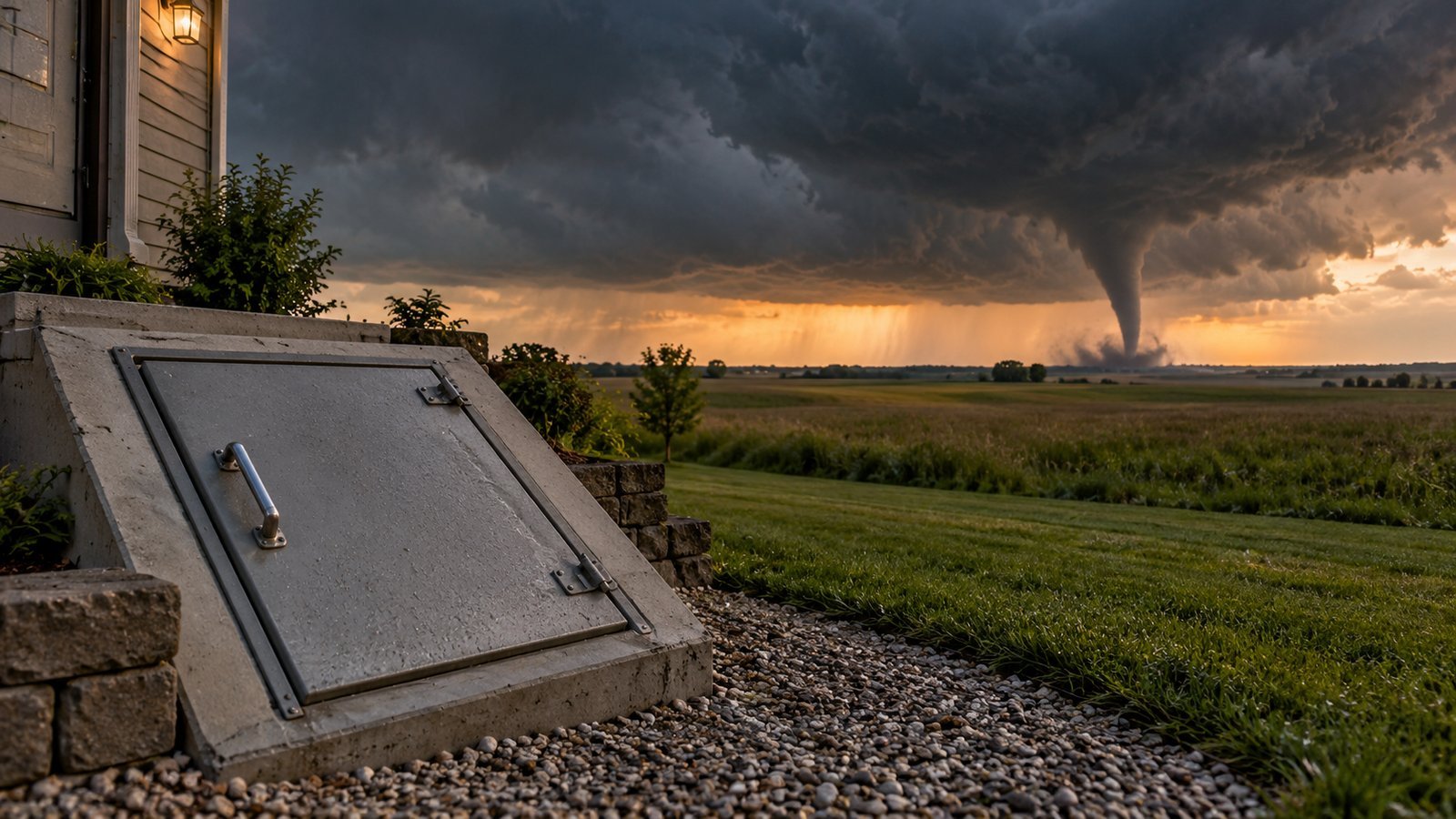
Mobile and manufactured homes are not safe during a tornado, even if tied down. Leave and go to a sturdy building or a community shelter before the storm arrives. If there is no time, lie in a ditch or low spot and cover your head, but understand that this is a last resort with its own risks, including flooding.
Ready.gov is blunt about vehicles: there is no safe option in a car or truck, only slightly less dangerous ones. The National Weather Service says the best course is to drive to the closest shelter. When that is impossible, Ready.gov says that if a tornado is visible, far away and traffic is light, you may be able to drive out of its path by moving at right angles to it. If extreme winds or flying debris catch you, park as quickly and safely as you can, out of the traffic lanes, keep your seat belt on and put your head down below the windows, covering it with your hands and a blanket, coat or other cushion. Only if you can get noticeably lower than the roadway should you leave the car and lie in that low area, covering your head. Avoid sheltering under bridges, which can create deadly traffic hazards while offering little protection from flying debris.
Prepare Your Home Before Storm Season
- Identify your safe spot and clear it of clutter.
- Keep sturdy shoes, a flashlight and a helmet near the shelter.
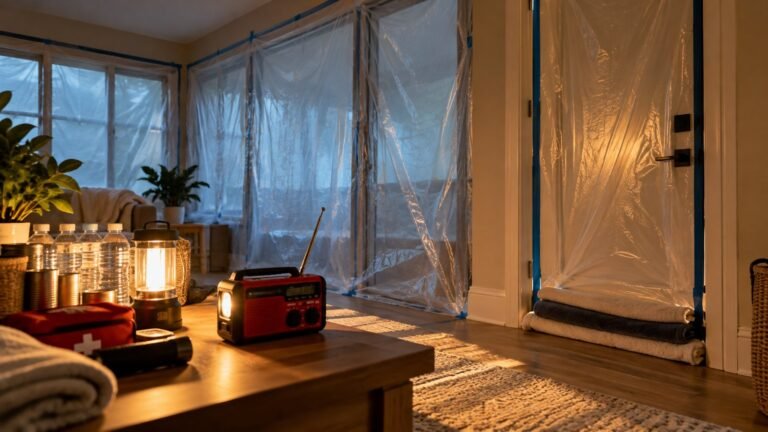
- Store a kit with water, snacks, a radio and first aid.
- Tie down or bring in outdoor furniture when a watch is issued.
- Photograph your belongings for insurance.
- Practice the plan with everyone, including pets.
A storm shelter or safe room built to FEMA standards offers the best protection. FEMA publishes guidance for safe room design and construction, and local emergency management offices may know about funding programs. If you rent, ask your landlord whether a shelter is available.

After the Storm
Stay in shelter until the warning ends. Then be careful. Watch for downed power lines and assume they are live. Avoid damaged buildings. Wear sturdy shoes and gloves. Do not use matches or lighters if you smell gas. Text rather than call to keep lines free. Document damage with photos before cleaning up, and check on neighbors, especially older adults.
Power may be out for a long time. Our water storage guide and our boil water guide help in the first days.
Tornado Plans for Families With Kids and Pets
Kids should know what the alert sounds like, where to go and what to do when they get there. Make it a drill, not a scare. Practice getting to the shelter in under a minute, and put a pair of shoes and a flashlight in the shelter space so no one has to search. Teach older children how to take cover and protect their heads. Ask your child’s school about its tornado plan. Ask whether it runs drills, and what the plan is for pickup.
Pets add a layer. Keep a leash, a carrier and a small supply of food near the shelter. Animals can panic in a storm, so having a plan in place prevents wasted minutes. Never risk human lives to retrieve them if you cannot bring a pet into your shelter.

Signs a Tornado May Be Developing
Ready.gov lists three signs to know: a rotating, funnel-shaped cloud, an approaching cloud of debris, and a loud roar like a freight train. Tornadoes may be wrapped in rain and hard to see, so do not wait to spot one. Move if you hear a warning or notice these signs. Tornadoes can happen anytime and anywhere, including at night, so make sure your alerts can wake you.
Insurance, Documents and Recovery
Review your homeowner’s or renter’s policy before storm season. Standard policies often cover wind damage, but flood damage usually requires a separate policy. Keep a home inventory with photos or video, and store a copy in the cloud or with a relative. Photograph damage before you clean up, and keep receipts for temporary repairs. FEMA and the Red Cross may provide help after a federally declared disaster, and your local emergency management office can point you to resources.
Make a Tornado Plan for Work and Travel
Think about where you spend your days. Ask your employer where the shelter area is and whether the building has a plan. Check the hotel’s severe weather procedures when you arrive and save the weather service’s number for the area if you are traveling. Keep a weather app with alerts on your phone, and let your location services run so warnings match where you are. Know the nearest sturdy building and when to leave it if you are camping.
One last habit worth building: when the sky looks threatening, put your shoes on early and keep your phone charged. Those two small acts save time when a warning arrives, and they cost nothing.
Building a Safer Home
You cannot tornado-proof a house, but you can reduce risk. Builders often stress strong connections from roof to walls and walls to foundation. Anchor bolts, hurricane straps, reinforced garage doors and impact-resistant windows all help against high winds. Garage doors are a common weak point, because if one fails the wind can get inside and lift the roof. A contractor or building inspector familiar with wind-resistant construction can advise you if you own your home. You can still talk to your landlord about a shelter or an agreement with a neighbor who has one if you rent.
Trim trees that could fall on your house and secure or store objects that could become projectiles. Know where to find your gas shutoff, but do not close it unless you smell gas or are instructed to. Review your insurance, including the deductible for wind damage, because some policies treat storm damage differently from other perils.
Community Shelters and Public Buildings
Some communities have public storm shelters, often at schools or community centers. They may open only for certain events, and they are not always staffed. Find out whether one exists near you, how to get there and when it opens. Do not drive to a shelter during a tornado warning unless you are already nearly there. In many cases, staying in the sturdiest part of the building you are in is the safest choice.
Mobile home park or similar community, ask management about an official plan if you live in a campground. Many parks designate shelters or have arrangements with nearby buildings. Make this inquiry before storm season.
Tornado Myths Worth Dropping
- Myth: Tornadoes never strike cities. They can, and have, hit urban areas.
- Myth: Opening windows equalizes pressure and saves the house. It does not, and it wastes time you need to reach shelter.
- Myth: A highway overpass is a good shelter. It is not, because of wind funneling and flying debris.
Replace myths with a plan and a habit of paying attention to weather alerts. The goal is not to be fearless but to be ready, so that a bad day is a survivable one.
Recovery: The Weeks After
Recovery is its own phase. Document damage, contact your insurer promptly, and keep receipts. Be wary of contractors who show up uninvited and ask for large payments upfront. Check licenses and references, and get written estimates. FEMA, the Red Cross, local voluntary groups and your state emergency management agency may offer help after a declared disaster. Take care of your own health, too. Stress, sleeplessness and worry are common after a storm. The CDC and the Substance Abuse and Mental Health Services Administration both publish disaster distress resources, including a helpline. Reach out to friends and neighbors, and accept help when it is offered.
A Tornado Season Checklist
- Confirm your shelter spot and clear a path to it.
- Test your alert methods: phone alerts on, weather radio batteries fresh.
- Store a helmet or sturdy hats, shoes, a flashlight and a whistle in the shelter.
- Review the plan with every household member, including visitors and sitters.
- Check your insurance coverage and photograph your belongings.
- Keep a basic supply kit, including water and a first aid kit, within reach.
- Know the nearest public shelter and when it opens.
Run through this list at the start of spring, when storm season ramps up in many regions, and again if you move or your household changes. Tornadoes can occur outside the peak season, so keep your habits year-round. The better you rehearse, the less you will have to think when seconds count, and that is the real protection a plan gives you.
Tornado Safety for Older Adults and People With Limited Mobility
Getting to a shelter quickly can be hard for people who use a cane, walker or wheelchair. Plan for that. Choose the safest spot that can be reached in under a minute, and keep the path clear. Talk to neighbors or building staff about help if stairs are a barrier. Keep a whistle or phone close in case you need to signal rescuers. Consider asking a neighbor to check on you when a watch is issued. Keep medications, glasses and mobility aids in the shelter area, and share your plan with family members and anyone who regularly visits. These steps take little time and give you much more confidence when a watch becomes a warning.
Before storm season, also tell friends and family where your safe spot is. They will know where rescuers should look first if a tornado hits and you cannot be reached. It is a small detail, and it can matter a great deal if you are trapped or injured.
Frequently Asked Questions
Should I open windows to equalize pressure?
No. This is a myth. Opening windows wastes time and does not protect your home. Go to shelter.
Is a bathtub a good place to shelter?
An interior bathroom is a decent option when there is no basement. Cover yourself with a mattress or blankets.
Can I outrun a tornado in a car?
Tornadoes can change direction and speed, and traffic or debris can trap you. Seek a sturdy building when possible.
Do I need a NOAA weather radio?
It is one of the most reliable ways to get warnings, especially at night. Choose one with battery backup.