Electrical Shock First Aid and Downed Power Lines: How to Help Safely and Stay Away
This post may contain affiliate links, full disclosure here.
Quick answer: never touch a person who is still in contact with an electrical source. Turn off the power at the breaker or unplug the device if you can do so safely, or call 911 if the source is a high-voltage line. Once the person is free of the current, call 911 for any significant shock, check breathing and start CPR if needed, and cover burns with a sterile bandage or clean cloth. Stay at least 35 feet away from downed power lines, as the Electrical Safety Foundation International advises, and assume every downed line is live.
Electricity is so routine that it is easy to forget how dangerous it can be. A frayed cord, a wet appliance, a storm-damaged power line or a toddler with a hairpin near an outlet can all cause serious harm. Electrical injuries are tricky because damage inside the body can be much worse than the burn you see on the skin, and the heart’s rhythm can be disrupted.
Another hazard: people who rush to help can become victims themselves if the power is still on. This guide explains how to respond safely, using guidance from the Mayo Clinic, the American Red Cross and the Electrical Safety Foundation International (ESFI). It belongs to our apartment emergency kit guide.
Sources: Mayo Clinic, “Electrical injury” and “Electrical burns: First aid”; American Red Cross first aid guidance; Electrical Safety Foundation International (ESFI), downed power line safety and home electrical safety resources; OSHA electrical safety resources; U.S. Consumer Product Safety Commission electrical safety guidance. Checked November 2026. General safety information, not medical advice.

First, Protect Yourself
The Mayo Clinic warns that you should not touch an injured person if they are still in contact with the electrical current. Electricity can pass through their body to yours.
Steps for rescuers:
- Look before you touch. Check whether the person is touching a cord, appliance, wire or wet surface connected to power.
- Turn off the source. If you can do so safely, turn off the power at the breaker panel or fuse box, or unplug the device. Switching off the appliance alone may not be enough.
- Call 911 for high-voltage sources. If the source is a power line or other high-voltage equipment, do not approach. Call 911 and the utility.
- Use a nonconducting object only if the power cannot be shut off. The Mayo Clinic says if the power cannot be turned off, move the source away from you and the person using a dry, nonconducting object made of cardboard, plastic or wood. Stand on something dry and nonconducting, such as a rubber mat or stack of newspapers. This is for low-voltage household current only, never for power lines.
- Keep a distance from high-voltage injuries. The Mayo Clinic advises staying at least 20 feet away from someone injured by high-voltage electricity that is still on. ESFI advises staying at least 35 feet from downed power lines and anything they touch.
Never use water
Water conducts electricity. Do not throw water on someone in contact with electricity or on an electrical fire. Use a Class C or multipurpose ABC fire extinguisher on electrical fires only after power is off or if you can do so safely.

When to Call 911
According to the Mayo Clinic, call 911 or your local emergency number if the injured person has:
- Severe burns
- Confusion
- Difficulty breathing
- Heart rhythm problems
- Cardiac arrest
- Muscle pain and contractions
- Seizures
- Loss of consciousness
Any shock from high voltage, such as power lines, or lightning strike also needs emergency care. Many emergency physicians recommend medical evaluation for any electrical shock that caused symptoms, even if the person seems fine, because internal damage and heart rhythm problems may not be obvious at first.
First Aid After the Power Is Off
Once the person is no longer in contact with the electrical source, the Mayo Clinic and Red Cross describe these steps:
- Check breathing and responsiveness. If the person is not breathing, is not responsive or is not breathing normally, call 911 and begin CPR right away. Use an AED if one is available. Our guide to hands-only CPR and AED basics covers both.
- Prevent shock. Have the person lie down with legs elevated slightly, unless this causes pain or you suspect head, neck or leg injuries. Keep them warm.
- Cover burns. Apply a sterile gauze bandage, if available, or a clean cloth. Do not use a blanket or towel, because loose fibers can stick to burns.
- Do not remove burned skin or break blisters.
- Stay with the person until emergency help arrives.
Electrical injuries often cause burns at the points where current entered and left the body. There may be two wounds, sometimes on hands and feet. Look for both.
About electrical burns
The skin burn can look small while damage to muscles, nerves and blood vessels beneath it is extensive. That is a key reason electrical burns need medical evaluation. For general burn care, see our guide to burn first aid.

How Electricity Injures the Body
Understanding why electrical injuries are serious helps explain the first aid advice. According to the Mayo Clinic, the severity of an electrical injury depends on the type and strength of the current, how long the body was in contact with it, the path it took through the body and the person’s overall health.
Current that passes across the chest can disrupt the heart’s electrical system and cause an irregular rhythm or cardiac arrest. That is why CPR and an AED are so important, and why a person who seems fine after a shock may still need heart monitoring. Current can also make muscles contract so strongly that a person cannot let go of the source, which lengthens exposure. Those same contractions can cause falls, broken bones and dislocations, so watch for other injuries too.
Inside the body, electricity generates heat that can damage muscles, nerves and blood vessels along its path. The Mayo Clinic notes that complications can include damage to internal organs, and muscle breakdown can stress the kidneys. Symptoms such as numbness, tingling, weakness, headache, vision changes or trouble with memory may develop afterward. Anyone with these symptoms after a shock should be evaluated.

A Plan for Your Household
A little preparation makes it easier to act quickly.
Know where your breaker panel is, and label the circuits so you can turn off the right one in an emergency. In apartment buildings, panels are often in a hallway closet, kitchen or utility area; ask your landlord or building manager if you cannot find yours. Keep a flashlight near the panel, since you may need to reach it in the dark.
Save your utility’s outage and emergency number in your phone, along with 911. Many utilities also have apps or text alerts for reporting downed lines.
Talk with everyone in the household, including children, about staying away from downed lines and never touching someone who is being shocked. Practicing the shuffle step with kids can make the lesson stick.
Finally, consider taking a first aid and CPR class from the American Red Cross or American Heart Association. Hands-on practice builds confidence for any emergency, including electrical injuries.

Downed Power Lines
Storms, ice, high winds and car crashes bring down power lines every year. ESFI’s advice is straightforward:
- Stay at least 35 feet away from downed lines and anything touching them, such as fences, puddles or vehicles
- Assume every downed line is energized, even if it is not sparking or humming
- Call 911 and your utility to report the line
- Never try to move a line with any object, including wooden branches or brooms
- Do not drive over downed lines
- Keep children and pets away
Shuffle, do not run
The ground near a downed line can be energized. Voltage can spread out through the ground, so a step that spans different voltage levels can let current flow through your legs. ESFI advises that if you are near a downed line, shuffle away with small steps, keeping your feet together and on the ground, to reduce the risk of shock.
If a line falls on your car
ESFI advises staying in the vehicle, calling 911 and waiting for the utility to confirm the power is off. If you must exit because of fire, jump clear so that no part of your body touches the car and the ground at the same time, land with feet together, and shuffle away. Warn others not to approach.
After storms
Downed lines may be hidden in standing water, debris or tree limbs. Avoid walking through flooded areas where lines may be down. Our guides to ice storm preparedness and high wind and severe thunderstorm safety cover more storm precautions.

Electrical Hazards in the Home
Most household shocks can be prevented. The CPSC and ESFI recommend:
- Replace frayed, cracked or damaged cords
- Do not run cords under rugs or furniture, where they can overheat and wear
- Avoid overloading outlets and power strips
- Use ground-fault circuit interrupter (GFCI) outlets in kitchens, bathrooms, laundry rooms, garages and outdoors
- Test GFCIs monthly using the test and reset buttons
- Keep electrical appliances away from water, and never touch them with wet hands
- Use tamper-resistant outlets or outlet covers in homes with young children
- Unplug appliances by pulling the plug, not the cord
- Call a licensed electrician for flickering lights, warm outlets, buzzing sounds or frequent breaker trips
Renters should report electrical problems to the landlord promptly and in writing. Do not attempt wiring repairs yourself.
Flooding and electricity
Water and electricity are a deadly combination after a flood. Do not enter a flooded basement or room if the power may be on. Have a utility or electrician shut off power if you cannot safely reach the breaker. Appliances that have been underwater should be checked by a professional before use. See our guide on how to shut off utilities for safe shutoff steps.
Generators
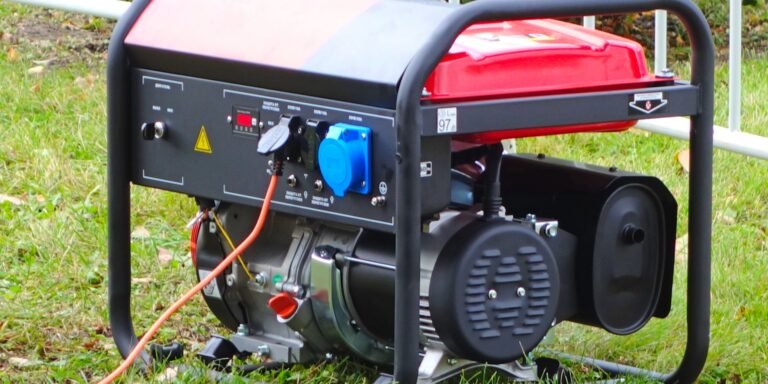
Improperly connected generators can backfeed power into utility lines and endanger line workers and neighbors. Never plug a generator into a wall outlet. Use a transfer switch installed by a licensed electrician, and follow CO safety rules for placement.

Lightning
Lightning causes electrical injuries too. A person struck by lightning does not carry an electrical charge and is safe to touch. Call 911 and begin CPR if they are not breathing. The National Weather Service’s advice is “When thunder roars, go indoors,” and to wait 30 minutes after the last thunder before going back outside.

Children and Electrical Safety
Young children explore outlets and cords. Steps that help:
- Install tamper-resistant receptacles or outlet covers
- Keep cords out of reach and secured
- Teach older children never to fly kites or climb trees near power lines
- Keep children away from electrical substations, transformers and pad-mounted equipment, which often carry warning signs

Frequently Asked Questions
Should someone see a doctor after a mild shock?
Medical evaluation is often recommended after any shock that causes symptoms, because internal injuries and heart rhythm problems may not be obvious. Call 911 for severe burns, confusion, breathing problems, irregular heartbeat or loss of consciousness.
How far should I stay from a downed power line?
ESFI advises at least 35 feet away from the line and anything touching it.
Can I move someone away from an electrical source?
Only after the power is off, or for household current by using a dry, nonconducting object such as wood or plastic while standing on a dry surface. Never approach a high-voltage source.
Is it safe to touch someone struck by lightning?
Yes. Lightning victims do not carry a charge. Call 911 and start CPR if needed.
What is a GFCI?
A ground-fault circuit interrupter is an outlet or breaker that cuts power quickly when it detects current leaking to ground, which helps prevent shocks in wet areas.

The Bottom Line
Protect yourself first: never touch a person still in contact with electricity, shut off power at the breaker or unplug the device, and call 911 for high-voltage sources. Once the power is off, check breathing, start CPR if needed, cover burns with sterile gauze and get medical care. Stay at least 35 feet from downed power lines, assume they are live and shuffle away if you are close. GFCIs, good cords and prompt repairs prevent most home shocks.