Apartment Evacuation Planning for People With Disabilities or Limited Mobility
How to plan an apartment or high-rise evacuation with a disability or limited mobility: stairs, elevators, areas of refuge, support networks and a kit checklist.

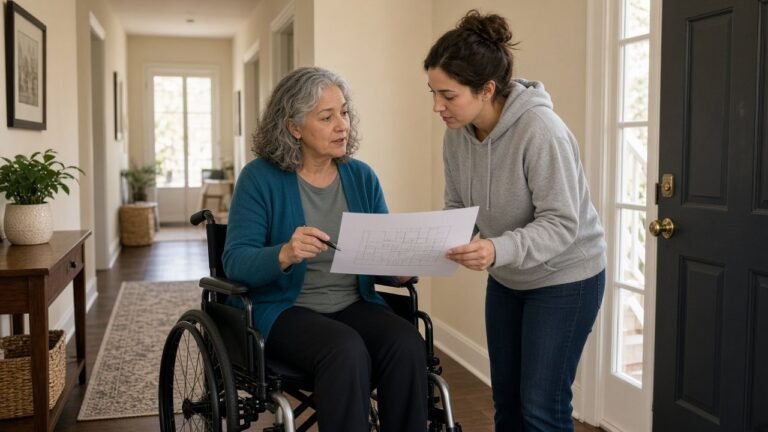
How to plan an apartment or high-rise evacuation with a disability or limited mobility: stairs, elevators, areas of refuge, support networks and a kit checklist.

How to protect yourself from wildfire smoke when you live in an apartment: reading the Air Quality Index, sealing windows and doors, choosing and sizing a HEPA air cleaner, DIY box fan filters, N95 masks, HVAC settings and when to leave for a cleaner-air space.
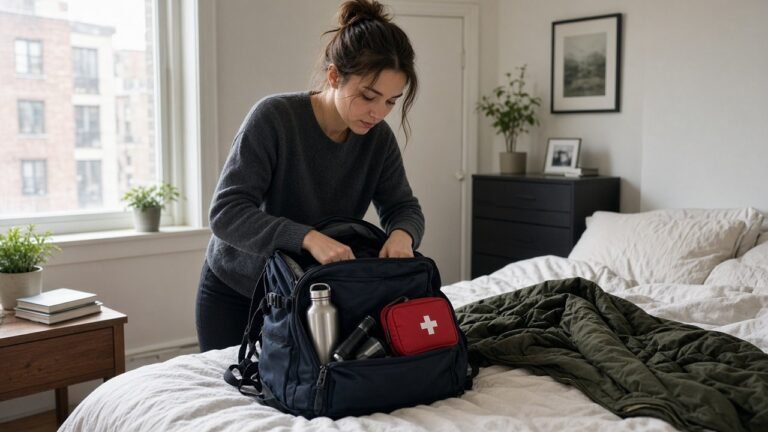
A go bag checklist for city and apartment living: water, documents, medications, light, communication and extras, plus how to pack, store and update your bag.
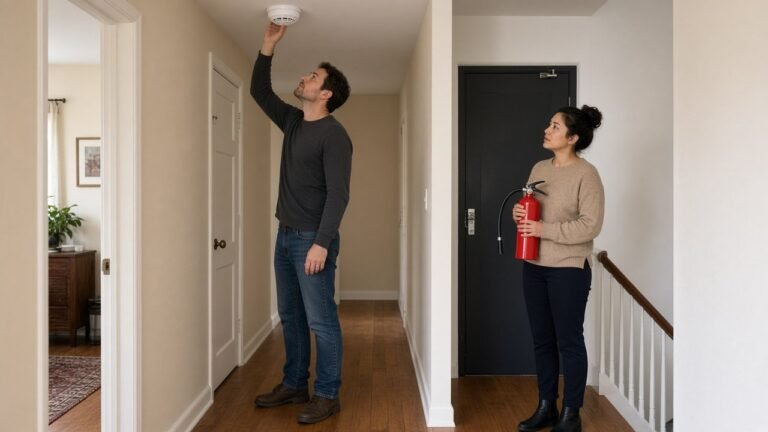
A practical apartment fire safety guide: the leading causes of home fires, smoke alarms and extinguishers, lithium-ion battery risks, how to make an escape plan for an apartment or high-rise, what to do if fire is in your unit or elsewhere in the building, and renter’s rights and responsibilities.
Prepare your apartment or high-rise for a 72-hour to 2-week power outage with our FEMA-aligned water storage math, no-cook vs. freeze-dried pantry layers, and safe indoor lighting.
Practical, safe ways to keep a phone charged during a power outage: power banks, car charging, solar and hand-crank chargers, portable power stations and battery-saving settings, with FCC and CDC safety guidance.
How to prepare for extreme heat, keep your home cooler, recognize heat exhaustion and heat stroke, and stay safe if the power fails during a heat wave, based on CDC, NWS and Ready.gov guidance.
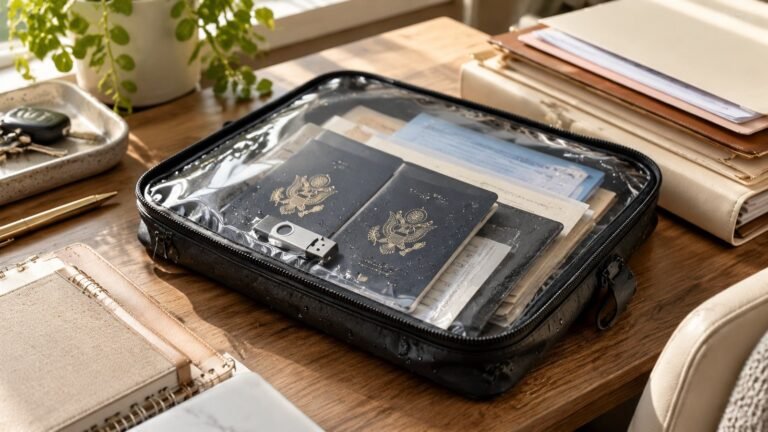
A practical guide to gathering, copying and protecting identification, financial, insurance and medical records so you can recover faster after a disaster.
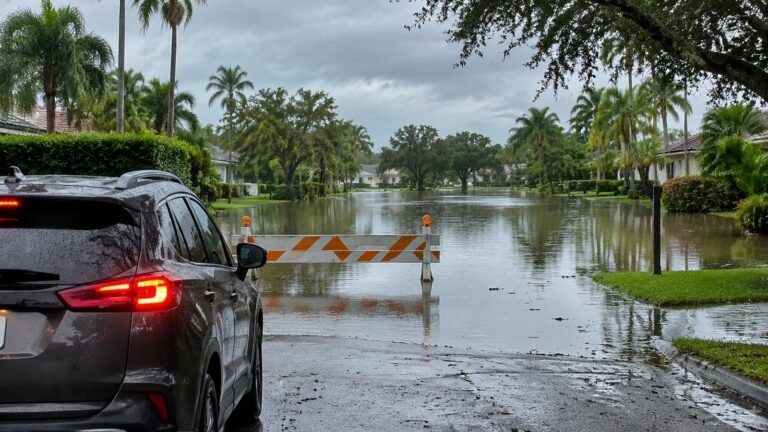
Flood safety based on Ready.gov guidance: know your risk, buy flood insurance early, protect your home, and stay out of flood water in a car or on foot.
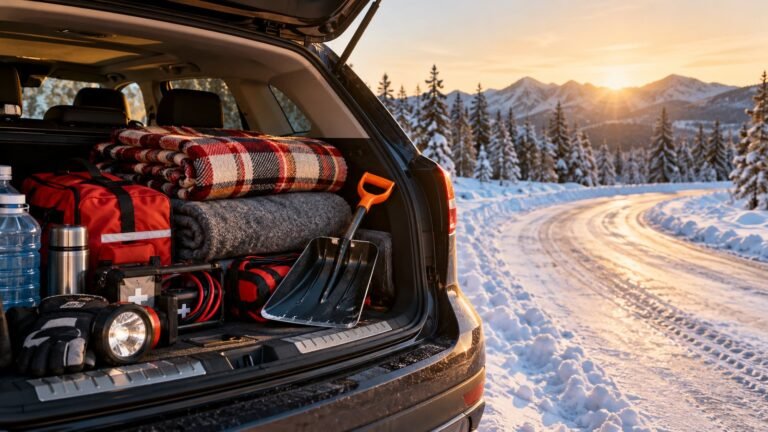
How to prepare your home and car for a winter storm: know the alert terms, keep heat and light safe, build a car kit, and recognize hypothermia and frostbite.