After a Hurricane: Cleanup and Safety Basics for Returning Home, Floodwater, Mold and Insurance Photos
This post may contain affiliate links, full disclosure here.
Quick answer: go home only after local officials say it is safe, and treat every downed line as live. Stay out of floodwater, which can carry sewage, chemicals and hidden debris. Never run a generator, grill or camp stove indoors; the CDC says generators belong at least 20 feet from doors and windows. Photograph damage before you clean. Throw out food that touched floodwater, and dry or remove wet materials within 24 to 48 hours to limit mold, as the EPA and CDC advise. Apply for help through your insurer and, in declared disasters, DisasterAssistance.gov.
The wind stops, the sky clears and the urge to get home and start fixing things is strong. That window right after a hurricane is also when a large share of storm-related injuries happen. Carbon monoxide from generators, falls from ladders, chainsaw accidents, electrical shocks and contaminated water all show up in emergency rooms after the storm has passed.
This guide covers the basics of a safe return and cleanup for renters and homeowners in cities and suburbs. It is part of our severe weather preparedness guide, which covers planning before hurricanes, floods, winter storms and heat. If you are still in the planning stage, our hurricane preparedness checklist is the place to start.
Sources: Ready.gov, “Hurricanes” and “Floods”; Federal Emergency Management Agency, disaster assistance and fraud guidance; Centers for Disease Control and Prevention, “Hurricanes and Other Tropical Storms,” “Clean Up Safely After a Disaster,” carbon monoxide and mold guidance; U.S. Environmental Protection Agency, “Flood Cleanup to Protect Indoor Air Quality” and mold guidance; U.S. Department of Agriculture Food Safety and Inspection Service, food safety after floods and power outages; American Red Cross, hurricane recovery guidance. General safety information only. Follow instructions from emergency officials and your building management. Checked October 2026.
Wait for the All-Clear Before Going Back
Ready.gov’s hurricane guidance is direct: return home only when authorities say it is safe. Roads that look passable may be undermined, bridges may be damaged, and floodwater can keep rising after the rain stops as rivers carry runoff downstream.
Before you head back, check a few things from wherever you sheltered:
- Official status for your area. Your city or county emergency management office, local news and the alerts you signed up for will say when re-entry is allowed and whether curfews apply.
- Utility outage maps. These show whether power, water and gas service have been restored or shut off.
- Boil-water notices. Your water utility will say whether tap water is safe to drink.
- Building notices. Apartment residents should check with management about elevator status, structural inspections and when units can be reoccupied.
Bring supplies with you: water, food that needs no cooking, a flashlight with spare batteries, a charged phone and power bank, sturdy boots, work gloves, N95 masks and a basic first aid kit.

Hazards to Expect on the Way In and Outside
The CDC and Ready.gov list several hazards that routinely injure people in the first days after a hurricane.
Downed power lines. Treat every downed line as energized. Stay well away, do not drive over lines, and report them to the utility. Water touching a line can carry current, so avoid puddles near fallen wires.
Floodwater. The CDC warns that floodwater can contain sewage, chemicals, sharp debris and displaced animals. Six inches of moving water can knock an adult down, according to Ready.gov, and a foot of moving water can sweep a vehicle away. Our guide to flood safety and why you never drive through water covers the reasoning.
Damaged trees and structures. Leaning trees, hanging limbs and weakened carports or balconies can fall without warning. Look up as you walk, and keep children and pets away.
Animals. Snakes, rodents and stray animals may shelter in debris and homes. Use a stick to check piles before reaching in, and wear gloves.

Entering Your Home Safely
Look at the outside first. The CDC and FEMA suggest staying out if you see shifted foundations, sagging roofs, large cracks or standing water inside that might hide electrical hazards.
Then go through the inside with care:
- Smell for gas. If you smell gas or hear a hissing or blowing sound, leave right away, keep the door open, and call the gas utility or 911 from a safe distance. Do not flip switches or use a lighter.
- Check for electrical hazards. If water covered outlets or the electrical panel, or if you see sparks or smell burning insulation, do not turn on power. Ready.gov advises having an electrician inspect wiring that has been wet before it is used again.
- Use flashlights, not candles. Battery lights avoid both fire risk and gas ignition.
- Watch your footing. Wet floors, mud and broken glass make falls common. Closed-toe, waterproof boots help.
Apartment residents have a slightly different job. Common hallways, stairwells and building systems belong to the owner. Report damage to management in writing, and do not attempt repairs to shared electrical or plumbing systems.
Generator and Carbon Monoxide Safety During Recovery
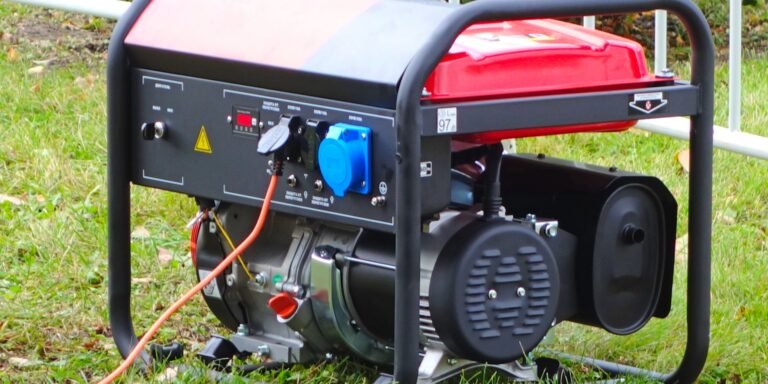
Carbon monoxide poisoning is one of the most consistent killers after hurricanes. The CDC notes that the gas is invisible and odorless and that portable generators, pressure washers, grills and camp stoves used in enclosed spaces are frequent sources.
The rules are short and absolute:
- Never run a generator inside a home, garage, basement, crawl space or carport, even with doors and windows open.
- Keep generators at least 20 feet from doors, windows and vents, as the CDC advises.
- Never cook indoors with a charcoal grill, gas grill or camp stove.
- Install battery-powered carbon monoxide alarms or check that existing ones work.
- Get to fresh air and call 911 if anyone feels dizzy, sick, weak or confused.
Our detailed guide to generator safety, placement and fuel storage covers transfer switches, cords and refueling.
Protective Gear for Cleanup
Cleanup exposes you to mold, sewage, sharp debris and heavy lifting. The CDC’s cleanup guidance recommends the following basics:
| Gear | Why it matters |
|---|---|
| Waterproof boots with steel toe and shank, if available | Protects against nails, glass and contaminated water |
| Heavy work gloves, plus waterproof gloves for wet cleanup | Prevents cuts and skin contact with sewage and chemicals |
| N95 respirator | Reduces inhaled mold spores and dust |
| Goggles | Keeps splashes and debris out of the eyes |
| Long sleeves and long pants | Covers skin against scratches and contamination |
Hygiene matters too. Wash hands with soap and clean water after cleanup and before eating, or use an alcohol-based sanitizer if clean water is not available. Clean and cover any cuts promptly. If a wound becomes red, swollen or painful, or if you have not had a tetanus shot in years, the CDC suggests contacting a health care provider.
Pace yourself. Heat, dehydration and exhaustion are common during summer and fall cleanups. Work in teams, drink water regularly and rest in the shade.
Document Damage Before You Clean
Insurance and disaster assistance both depend on evidence. Before moving or tossing anything, photograph and video every room, the outside of the building, damaged belongings and high-water marks on walls.
Practical steps:
- Take wide shots and close-ups. Show the room, then the specific damage.
- Record serial numbers and model labels on appliances and electronics.
- Keep receipts for supplies, temporary repairs and lodging.
- Make temporary repairs such as tarping a roof or boarding a window to prevent further damage, which most policies expect.
- Contact your insurer early. Ask how they want damaged items handled before throwing them away.
Renters should remember that the landlord’s policy covers the building, not your belongings. Our guide to renters insurance and home inventories for disasters explains what personal property coverage does and does not include. Flood damage usually requires a separate flood policy.
When the President declares a major disaster for your area, FEMA explains that individuals can apply for assistance at DisasterAssistance.gov, through the FEMA App or by calling 1-800-621-3362. File with your insurance company first, since FEMA assistance cannot duplicate insurance payments.

What to Throw Out
The USDA Food Safety and Inspection Service and the CDC give clear guidance on food and household items after flooding and outages.
Food
- Any food that touched floodwater, including items in cardboard, plastic wrap, screw-top jars and home-canned goods, should be discarded.
- Commercially canned food in undamaged all-metal cans can be saved if you remove labels, wash and sanitize the cans, and re-label them.
- Perishable refrigerated food that sat above 40°F for more than two hours should go, and a fridge without power keeps food cold for about four hours if unopened, according to USDA. A full freezer holds about 48 hours, a half-full one about 24.
Our guide to fridge and freezer timelines during a power outage has the full list. When in doubt, throw it out.
Household items
Porous materials soaked by floodwater, such as mattresses, upholstered furniture, carpet padding, stuffed toys and pillows, are often impossible to clean thoroughly. The EPA notes that they may need to be discarded if they cannot be cleaned and dried quickly. Hard surfaces like metal, glass and solid wood can usually be cleaned and disinfected.
Mold: Start Drying Within 24 to 48 Hours
The EPA advises that water-damaged areas and items be dried within 24 to 48 hours to prevent mold growth. After a hurricane, that window is often impossible to meet fully, which is why fast action on the easiest wins matters.
A basic sequence:
- Open windows and doors when it is safe and the weather allows.
- Remove standing water with pumps or wet vacuums. Run electric equipment only if wiring has been checked.
- Pull out wet materials such as carpet, padding and drywall below the water line.
- Use fans and dehumidifiers once power is safe.
- Clean hard surfaces with soap and water, then disinfect.
If you use bleach, the CDC says to use no more than one cup of household bleach per gallon of water, ventilate well and never mix bleach with ammonia or other cleaners, since that creates toxic fumes.
People with asthma, allergies or weakened immune systems should avoid mold cleanup when possible. The EPA suggests hiring professionals for large areas of mold, and its guidance uses about 10 square feet as the point where professional help is worth considering.

Water, Sanitation and Utilities
Do not drink tap water until your utility says it is safe. Follow any boil-water advisory exactly. If sewer lines are damaged, avoid flushing toilets until the system is confirmed working, and use a bucket toilet setup instead.
Turn utilities back on carefully. Gas service that was shut off must be restored by the gas company or a qualified professional, Ready.gov notes. Electrical systems that were flooded need an electrician’s inspection. Water heaters, furnaces and HVAC equipment that sat in water usually need professional evaluation before use.

Watch for Scams
FEMA warns that disasters attract fraud. Common schemes include fake contractors who demand large upfront payments, people posing as FEMA inspectors, and fake charities.
Protect yourself:
- FEMA staff carry photo ID and never charge for applications or inspections.
- Check contractor licenses with your state licensing board.
- Get written estimates and avoid paying in full before work begins.
- Report suspected fraud to the FEMA fraud line or your state attorney general.

Frequently Asked Questions
How long should I wait before going home after a hurricane?
Wait until local officials announce that your area is safe to enter. Roads, bridges and utilities may be damaged even after the weather clears.
Is it safe to use a generator right after a hurricane?
Yes, if it runs outdoors only, at least 20 feet from doors, windows and vents, with working carbon monoxide alarms inside. Never run it in a garage or under a carport.
What food should I throw away after a hurricane?
Discard food that touched floodwater, perishable food that sat above 40°F for more than two hours, and any item in packaging that is not fully waterproof. Undamaged commercial metal cans can be cleaned and kept.
How fast does mold grow after flooding?
The EPA says to dry wet areas and materials within 24 to 48 hours to prevent mold growth. Remove soaked porous materials quickly.
Should I clean up before the insurance adjuster comes?
Document everything with photos and video first, then make temporary repairs to prevent more damage. Ask your insurer before throwing away damaged items.

The Bottom Line
Safety after a hurricane comes down to patience and caution: return when officials say it is safe, avoid downed lines and floodwater, keep generators outside, photograph everything, and start drying as fast as conditions allow. Treat contaminated food and porous materials as losses, protect yourself during cleanup, and verify anyone who offers to help for a fee. Recovery takes weeks or months, but the first few days set the tone for both your health and your claim.